Thursday, May 11, 2017

House of the Week: A Clock Tower Called Home

When a San Francisco couple spotted a clock tower being converted into condos, they knew it was — well, time — to jump in.

“They could see the clock tower and had a lot of curiosity about what the developer was going to do with it,” said Eric Turner, a listing agent with Sotheby’s International Realty. “They would look at it and think, ‘Wow, it would be so great if we could buy that and do our own thing.’”

And so they did.

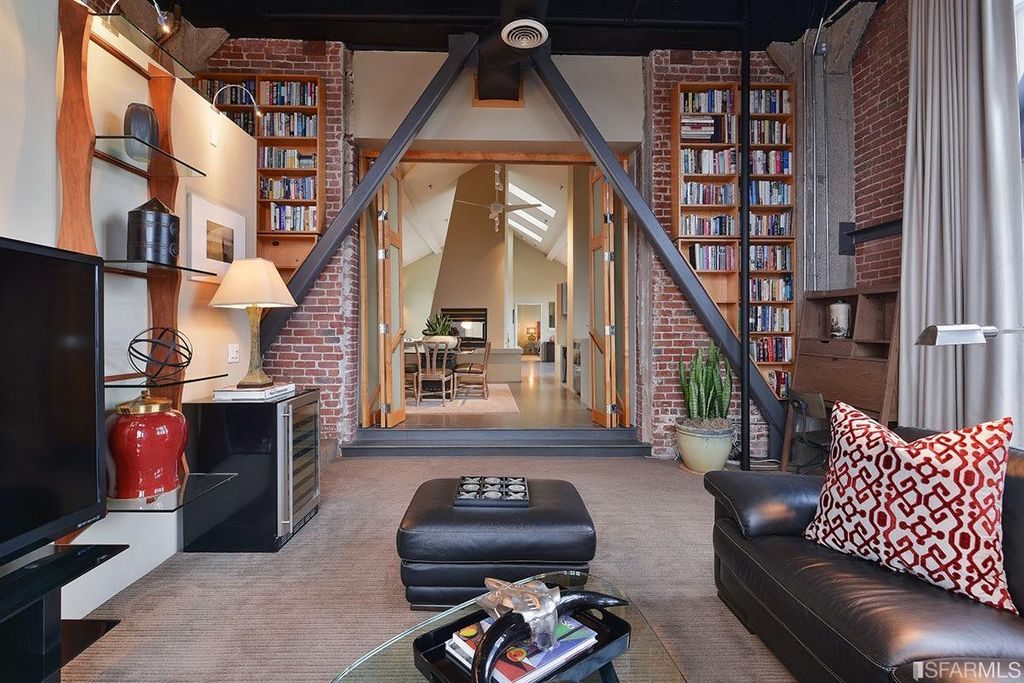
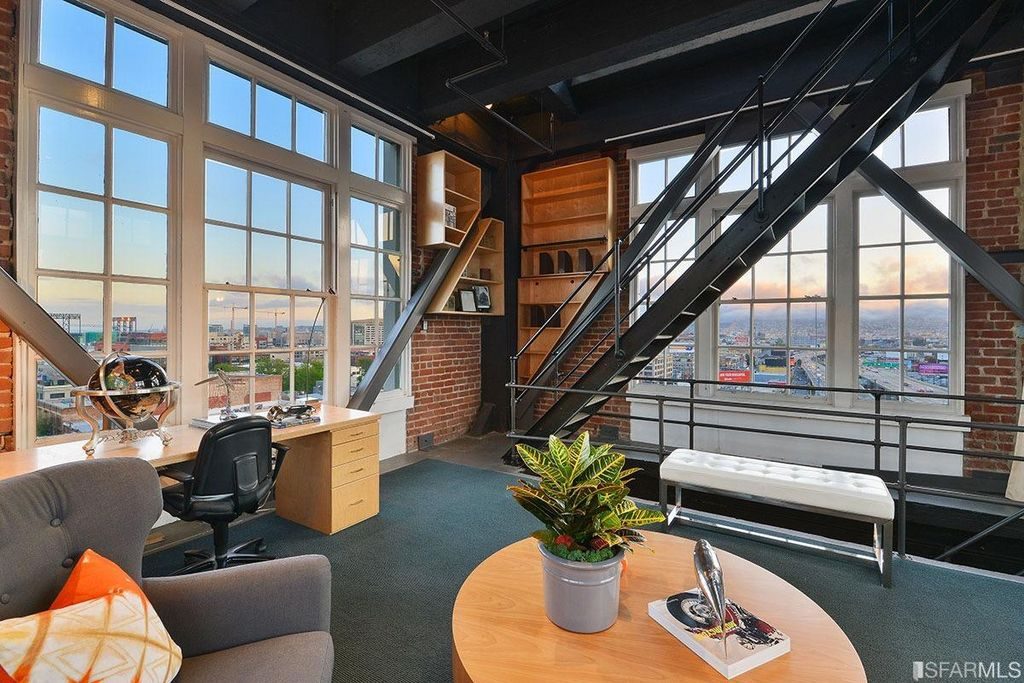
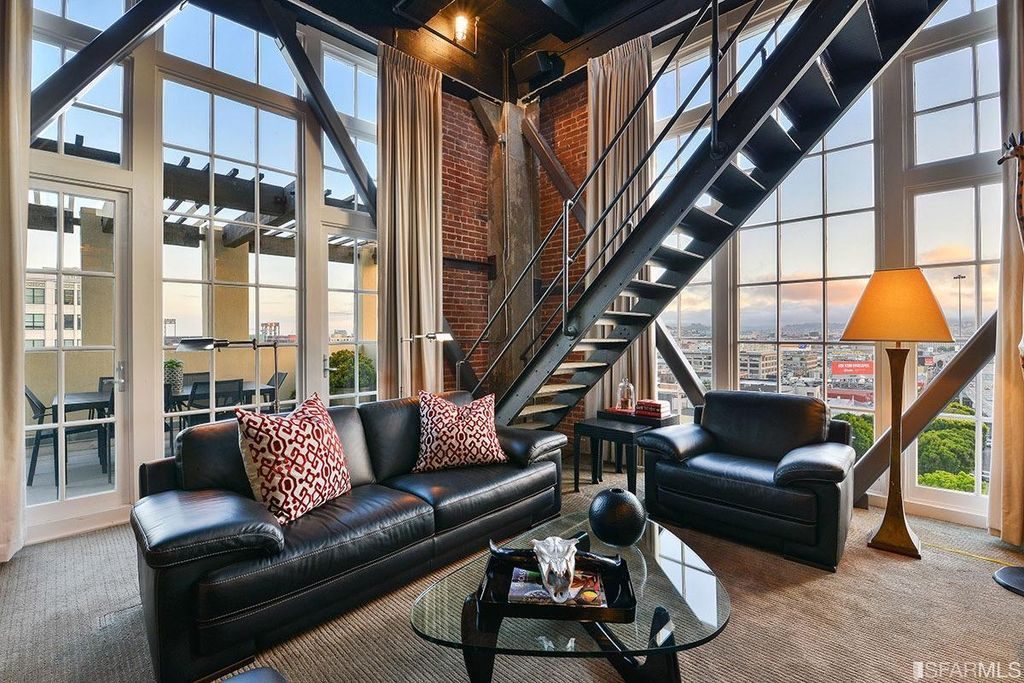
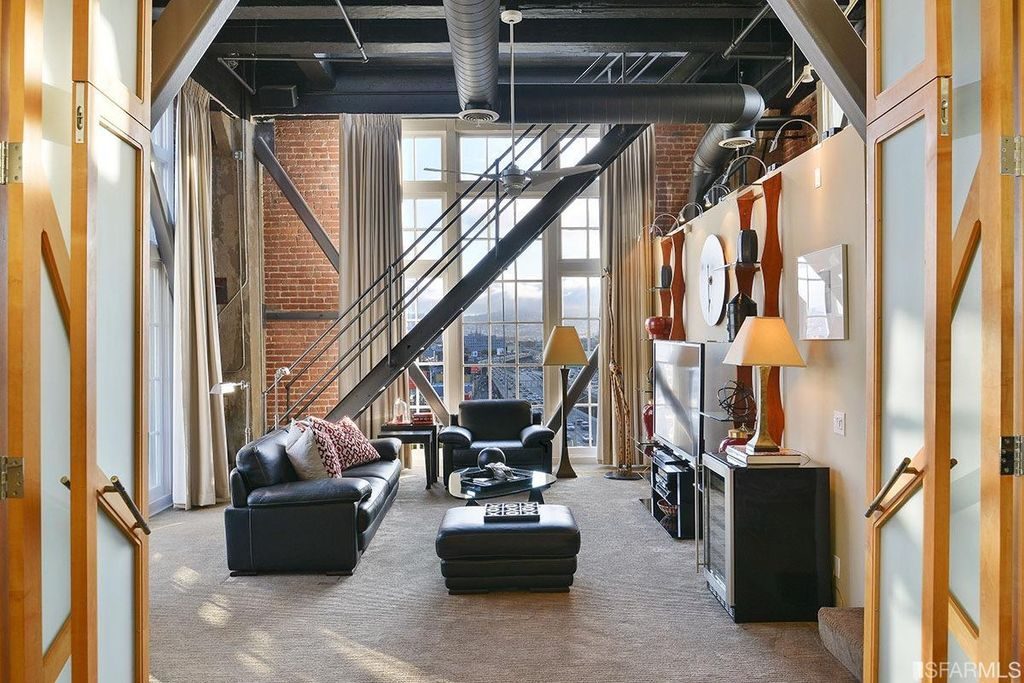
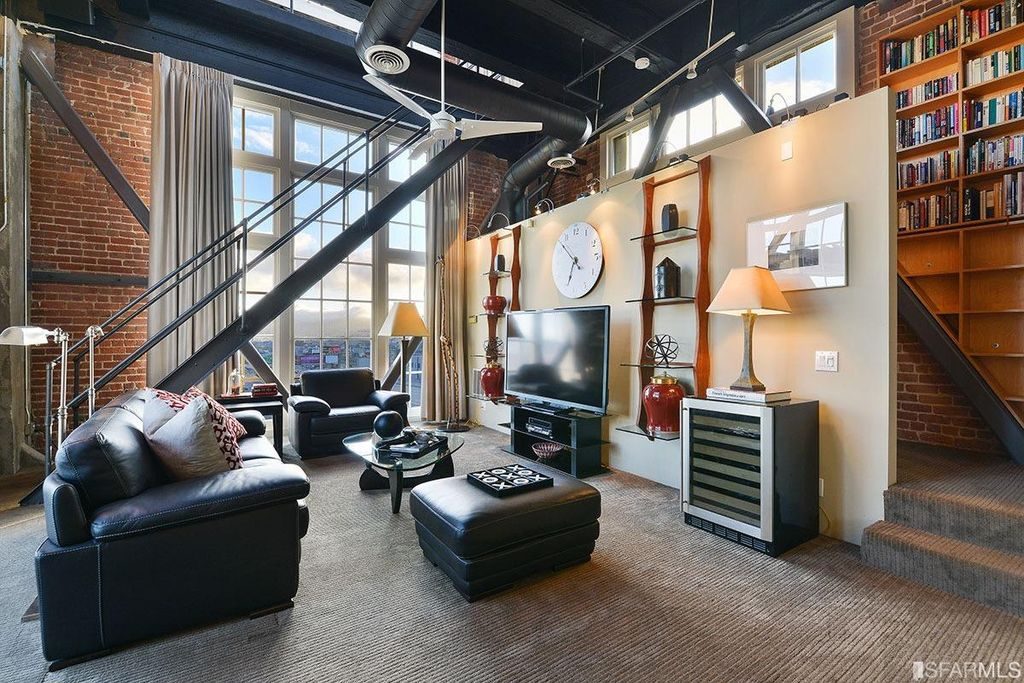
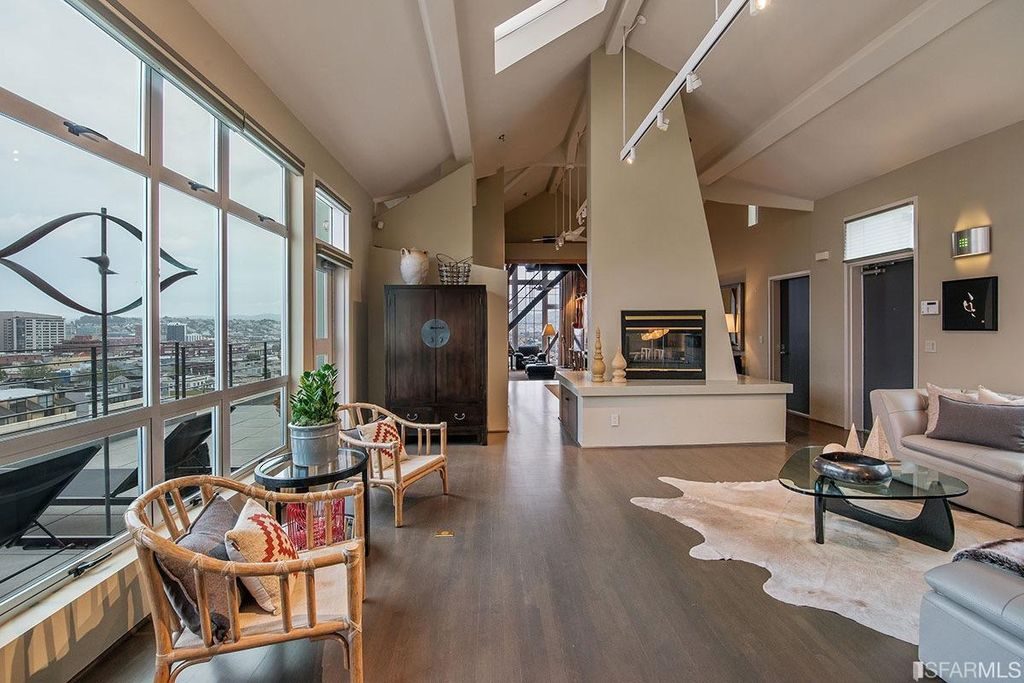
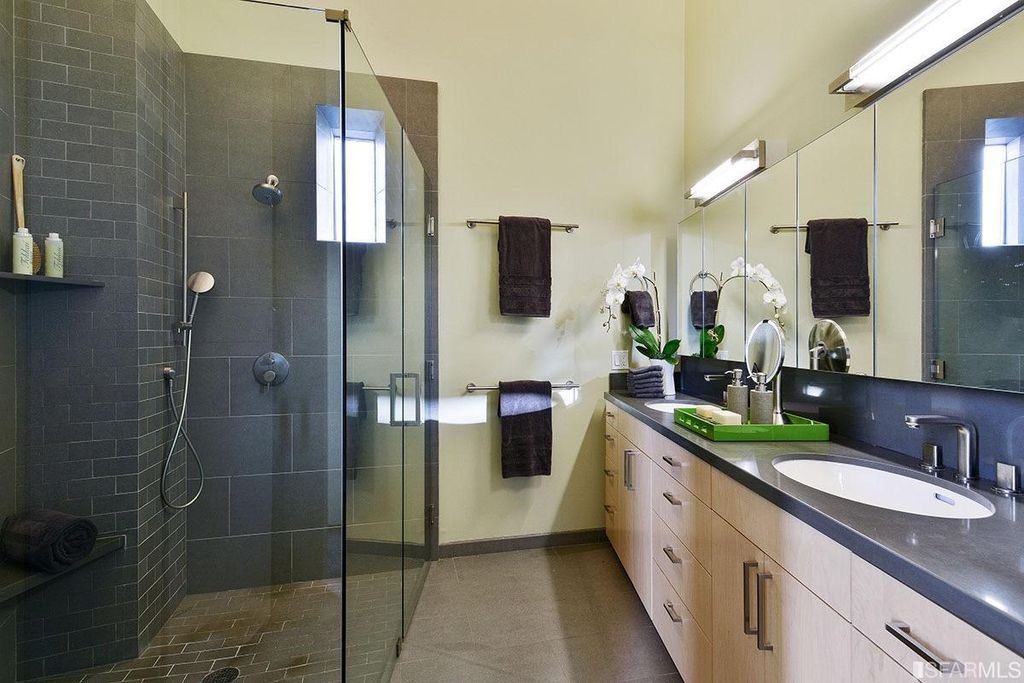
Three decades later, the couple is putting their unique clock tower penthouse on the market. The 3,000-square-foot space has 3 bedrooms, 2 bathrooms, and a “clock room,” where four giant walls are adorned by the four faces of the expansive clock.

“It’s definitely one of the most unique loft spaces you’re going to find,” Turner said. "You can see it from a lot of areas in San Francisco because it sits up on a hill.”

Photos from Zillow listing

The building dates back to 1907, with workers adding the clock tower portion 15 years later, Turner said. The site is the former home of the Max Schmidt Lithograph Company, once the largest printing company on the West Coast. The company, which no longer exists, produced fruit box labels across the state of California.

Developers did an extensive renovation, converting the building into residential units in 1992. The result was 127 condos, including the clock tower penthouse.

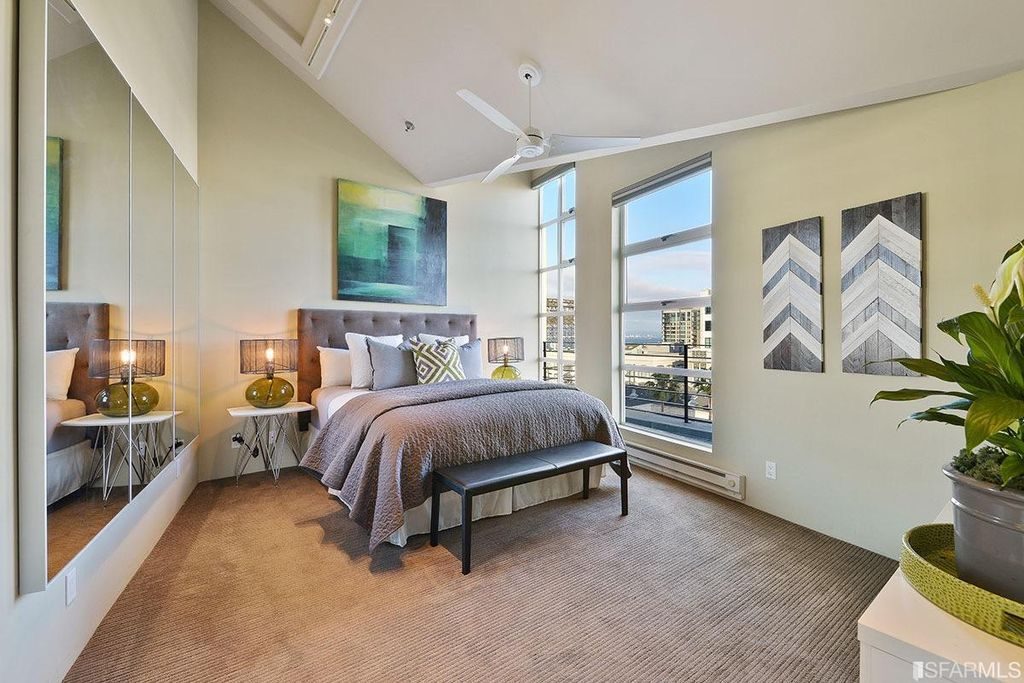
Brick walls highlight arched windows, while the master bedroom boasts a vaulted ceiling and walk-in closet. A 1,200-square-foot wraparound deck offers views of San Francisco Bay and the city skyline.

When night falls, the tower’s spotlights illuminate the four giant clock faces. The building’s homeowners association maintains the tower, Turner said.

The home is currently on the market for $6.25 million dollars with Sotheby’s International Realty, although it has a pending offer. When it sells, the new owners will be just the second people to live in the space.

Related:


from Zillow Porchlight https://www.zillow.com/blog/clock-tower-called-home-215635/

Monday, May 8, 2017

Quiz: Which Celeb Neighborhood Is the Best Match for You?

If you belong among the stars — A-list stars, that is — you’ll want to figure out which celeb neighborhood should be your next home. Your favorite celeb might already be living there, or perhaps you’ll have to acquire some new famous friends.

Note: There is a widget embedded within this post, please visit the site to participate in this post’s widget.

from Zillow Porchlight https://www.zillow.com/blog/celebrity-neighborhood-match-215258/

Friday, May 5, 2017

5 Essential Steps for Buying an Investment Property

Taking your first step into the world of real estate investment can feel both thrilling and daunting. As with anything new, there’s a learning curve, but with a little time and research, you’ll find the results can be very rewarding.

Before you buy your first property, here are five things you’ll need to do.

Prepare for the down payment and interest rates

Financing the purchase of an investment property is not the same as purchasing an owner-occupied home. Mortgage insurance isn’t available for properties you intend to rent, and you should expect a down payment of at least 20 percent.

Interest rates are different for investment properties, too. Don’t rely on low interest rates for home buyers - make sure you research the investment property rate.

Decide if you want to rent or flip the property

Renting and flipping investment properties require different strategies, so it’s important to know which method you intend to pursue from the beginning.

Flipping a home requires a lot of upfront cash and energy to buy, fix, and sell the home. If you’re able to sell quickly, however, it also offers a faster profit.

Renting requires fewer, less expensive repairs, but it will take longer to make your initial investment back. Rental properties require long-term commitments for maintenance and finding tenants; however, they also offer long-term, more passive income. (See our Rentals Resource Guide for more information on managing a rental property.)

Understand the local economy

A little local knowledge can go a long way. If you intend to rent, it’s especially important to think long-term when buying an investment property. Does the city show a lot of new employment growth? Or does it mainly rely on dying industries? You want an economy that attracts tenants in your rental price range for a long time or one that appeals to quality buyers.

Research goes a long way, but nobody understands a city like a local. Learning the ropes of renting or flipping a property while also learning about a new economy can be overwhelming. It’s often easier to start out by investing in a property near where you already live.

Research the market

If you’ve got your eye on a building, check out similar properties in the area. It’s helpful to approach this task as if you were a buyer or potential renter. Look through local listings to get a firm idea of the going rental rate or asking price for comparable homes or apartments.

Don’t just skim through the prices - dig into the details to get a better look at the current market trends. Are rental properties listing lots of incentives, like free months? Or do they mention a waitlist when you call?

If real estate agents and rental managers are eager to offer incentives, that often indicates a competitive market with too few renters/buyers. If you’re waitlisted or average prices seem higher than usual, there may be more potential lookers than there are available properties.

Factor in repairs and other costs

Your approach to considering properties that need repairs depends on whether you intend to flip or rent the property. For either route, bring in a home inspector who can find hidden problems you might miss like mold, lead, and more.

If you plan to flip, you’ll want to determine the after-repaired value of a property or how much a house could sell for after you do the necessary renovations.

Next, look at repair costs. Factor in both what you can do on your own, and repairs that require a professional. Houses that need mostly cosmetic repairs and renovations will cost a lot less than homes with structural damage or electrical problems.

As you calculate the price of purchase and repairs, don’t forget to include closing and holding costs. Depending on how long it takes to sell, you could end up losing money on the flip if you don’t include these factors in your assessment.

If you plan to rent, it’s best to avoid major, expensive repairs. Because renting is a long-term investment plan, you want to minimize your upfront cost. Thankfully, there are many resources available to help you maximize your investment, such as Success Path.

Related:


from Zillow Porchlight https://www.zillow.com/blog/buying-investment-property-215395/

Thursday, May 4, 2017

10 Tips for Spring Home Buyers

The arrival of spring means it’s time to start fresh. Along with pulling out your warm-weather wardrobe and tackling spring cleaning, you may have a bigger project on your to-do list: buying a new home.

Before you start on your home-shopping journey, check out these 10 home buying tips to save you both time and money.

Find the right agent

Real estate expert Joe Manausa says the key to happy spring home buying is finding the most qualified agent to guide you through the process.

With reviews available at your fingertips, finding a real estate agent you trust can be easy - provided you take the time to do some research.

Check for agents with the best reviews, and give them a call. They’ll relieve some of the pressures of home buying, and walk you through all the necessary steps.

Think location

Sure, the three things that matter most in real estate are “location, location, and location.” Nonetheless, some buyers end up purchasing a home in a location that’s not right for them, simply because they make their choice for all the wrong reasons.

“They’re looking at a house in the wrong area or the wrong school district, but they buy it because they like the kitchen,” Manausa says.

Use the new open house

The internet has completely changed the home-buying process, making it easier to choose which homes to go see in person.

With 3-D tours available on the web, buyers can tour a home from their mobile device or a computer. Eighty-seven percent of home buyers use online resources during their home search, according to the Zillow Group Report on Consumer Housing Trends.

Buy a home, not a project

Buyers who purchase a fixer-upper can end up spending the same (if not more) than they would on a new home.

“When buying a home, pay close attention to the ‘bones’ … and avoid getting caught up in the cosmetic features,” advises Dan Schaeffer, owner of Five Star Painting.

If the kitchen cabinets are in good shape, but you want the space to be brighter, adding a fresh coat of paint is easier and less expensive than replacing all the cabinets.

Ka-ching! Be a cash buyer

Sellers are more likely to choose the buyer who already has money in hand over an offer that’s contingent on a mortgage loan.

But if you can’t pay cash, getting pre-qualified for a loan can help the seller feel more confident that you’ll be able to secure financing.

Avoid disaster - get a warranty

The last thing you want after buying a home is for something to go wrong. You protect your car, so why not your home? Manausa recommends purchasing a home warranty. “[They’re] very affordable, and cover all the things that go wrong.” Your wallet will thank you.

Make inspection time count

Small problems eventually turn into big problems. The wood could rot, drains could leak, or the electrical panel may not be up to code.

“It’s very important that a licensed electrician makes sure all circuits work properly,” say Dana Philpot and Nathaneal Toms, owners of Mr. Electric. Hire experts, and always get your home inspected.

Put safety first

No matter the neighborhood or the home, your family’s safety should always be the number one priority after purchasing a home.

“Even if the previous owner promised to return the copy of every key, it’s always a good idea to change the locks throughout the exterior of the home,” says J.B. Sassano, president of Mr. Handyman. “If the house has an alarm system, remember to change the code - and don’t forget the garage door.”

Fix common repairs

Repairs may come in the form of patching up small nail holes or weatherproofing electrical outlets. Whatever the need, Schaeffer recommends fixing the repairs before moving in your belongings. “An empty house is easier to maneuver and clean,” he says.

For bigger jobs, find a professional to complete the repairs. Sites such as Neighborly can connect help you find home services providers.

Add the finishing touches

The best part about buying a new house is making it a home. Change the color of the walls, update the lighting, or add a more personal touch with a photo gallery wall.

“It’s important to find the right gallery layout by measuring the wall space, which determines the size of photos you can use,” Sassano says. “Lightweight frames are the safest option, especially when hanging on drywall.”

Ready to start home shopping? Check out our Home Buyers Guide for advice and tools. 

Related:


from Zillow Porchlight https://www.zillow.com/blog/10-tips-spring-home-buyers-215389/

Sting Is Selling: Check Out His $56M Central Park Apartment

You might not recognize the name Gordon Sumner, but you probably know his stage name: Sting. The English musician gained fame as a member of The Police before starting his solo career in the mid-1980s.

Now he’s moving on again, this time from the panoramic duplex penthouse unit he and his wife, Trudie Styler, bought for $30 million almost exactly two years ago. The couple is asking $56 million for it now.

The two-story home offers city views from its numerous floor-to-ceiling windows and 44 feet of park frontage - best experienced from the nearly 400-square-foot terrace.

Photos by Andrew Kiracofe

Inside the 5,417-square-foot home, a foyer with a sculpted, winding staircase draws the eye up to the soaring 10-foot ceilings.

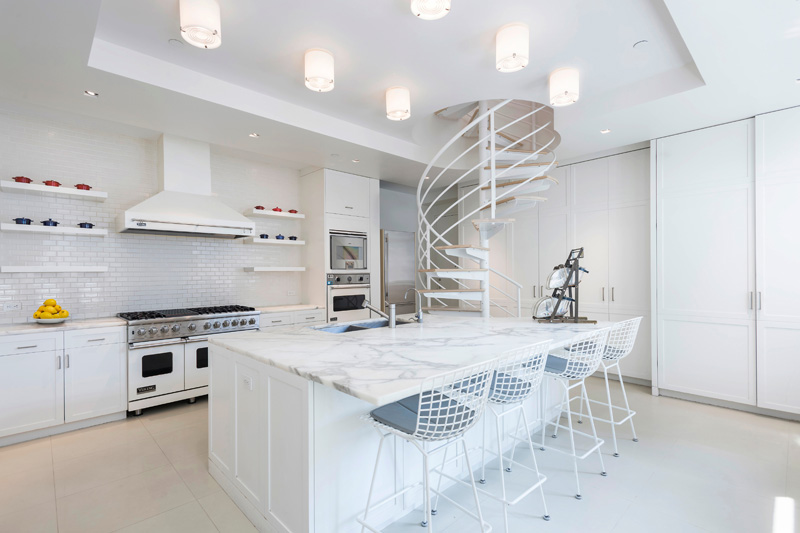
A white-on-white kitchen features another spiral staircase - this one leading up to the home office. While the expansive apartment already features 3 bedrooms and 4 full bathrooms, this office space could also be converted into a fourth bedroom.

The spiral theme continues into the living room where a freestanding Fibonacci-spiral fireplace steals the show. The unique fireplace divides the main living room from a cozy reading area adorned with built-in bookshelves.

The luxury condo is located at 15 Central Park West - a highly coveted building described by many as one of the “world’s most powerful addresses” and home to many of New York’s elite. Building amenities include a 14,000-square-foot fitness center, a 75-foot skylit lap pool, climate-controlled wine rooms and a team of full-time staff.

Suzun J. Bennet of Sotheby’s International Realty holds the listing.

Related:


from Zillow Porchlight https://www.zillow.com/blog/sting-selling-56m-apartment-215562/

Monday, May 1, 2017

6 Factors to Consider When Seeking a Family-Friendly Rental

Anyone who has ever rented knows it has its advantages. You don’t have the stress of a mortgage, the landlord is on the hook for repairs, and, best of all, it’s easy to move when you desire a change in digs.

The same benefits hold true for families that rent, but with so many individuals’ well-being on the line - spouse, kids, pets, maybe even aging parents - shopping for a rental means keeping a few extra tips in mind.

The three factors that concern rental-seeking families the most are location, value, and convenience, according to Carol Jackson, an area vice president at Morgan Properties.

Knowing that, take these key considerations into account when searching for the perfect rental for you and your family.

Schools and childcare

Mollie Churchill was already renting her urban Baltimore row house when she gave birth to her son, who is now two. While one of the first tips for any renter is to seek a home near good schools, for Churchill, finding a good nanny share was of more imminent concern.

Luckily, her location lent itself to success: “It’s easier to find someone to share with, since I live in a place where there are just more people,” Churchill says of her urban neighborhood.

Whether in a suburban or urban location, access to quality childcare and schools will be a deciding factor for many families.

Overall location

Parks, playgrounds, Little League teams, nearby museums - a rental’s location dictates a family’s quality of life. It also determines the daily work commute, which should be kept to a minimum for sanity’s sake.

City location isn’t the only consideration to keep in mind, however. An apartment’s location within a complex can be just as important. Will your child be spending substantial time on the basketball court or at the playground? “Consider a unit near those facilities so you can keep tabs from the window,” says Jackson.

Safety

A host of safety issues come into play when families shop for a rental, especially in units built before 1978 that may contain lead paint. “Ask about the presence of lead and request to see the landlord’s lead-free certification if applicable,” advises Churchill. “If your landlord is squeamish, then that’s a big red flag.”

You should also ask if childproofing is allowed, such as installing gates or cabinet safety locks.

Finally, ask yourself if the apartment’s decor is appropriate for children. Will your baby be tempted to put crumbly pieces of the oh-so-chic exposed brick wall in her mouth? If so, then the lease might be a pass.

Space

Sarah Murtaza is expecting her first child later this year and is worried about space in the 1-bedroom apartment she shares with her husband in the heart of Washington, D.C. They’re already pondering where to put a bassinet and crib. “Building a nursery or finding space for baby clothes is a challenge for us right now,” Murtaza says.

For expanding families, an in-building storage space, a tiny study, or a high person-to-closet ratio can provide the square footage necessary for new belongings.

If these aren’t an option, see if moving into a larger, albeit pricier, unit within the building is possible. Changing units is often permitted, and some management companies even waive move-in fees if you do it.

Amenities

What Murtaza’s unit lacks in space, the building makes up for in amenities, including a rooftop deck, a trash room on every floor for easy diaper disposal, and a dishwasher, washer, and dryer in each unit.

Conveniences like these can be a deciding factor in whether to sign a lease, as are playgrounds, dog parks, and other family-friendly spaces.

Scams

Shopping with a child in tow often adds frustration to the already tedious process of finding an apartment. That said, Marc Hagerthey, a Maryland-based real estate agent with Re/Max Components, advises that you never take any shortcuts, and be wary of Craigslist scams.

“Make sure you are dealing with the property owner by researching your local property tax records online, or make sure you are dealing with a reputable property management company,” he says.

A dream rental for you and your family is out there - follow these tips, and you’re sure to make the search a smooth one.

Top photo from Zillow listing

Related:


from Zillow Porchlight https://www.zillow.com/blog/finding-family-friendly-rentals-215281/

3 Things You Should Know About Preliminary Title Reports

Among the dozens of records that serve to inform or disclose to the buyer significant knowledge about the property, the title report is one of the most important. It documents ownership, vesting, and detail regarding anything recorded against the home, such as liens, encroachments, or easements.

The title company compiles the report from a search of county records to issue title insurance, and any liens against the property are listed as “exceptions” to a title policy.

Here are three important pieces of the title report you should review carefully.

The legal description

The legal description is everything you won’t see in any real estate agent marketing or advertising. It’s the written description of the property’s location and the boundaries of the property in relation to the nearby streets and intersections.

In the case of a condominium or planned unit development (PUD), the legal description will include the property’s interest in any common areas, exclusive or non-exclusive easements, and details on any parking or storage that conveys with the property.

Here’s an example of a legal description from a preliminary title report of a property:

“Beginning at a point on the Westerly line of Fifth Avenue, distant thereon 250 feet Southerly from the Southerly line of Balboa Street; running thence Southerly along the Westerly line of Fifth Avenue 25 feet; thence at a right angle Westerly 120 feet,” and so on.

Legalese? Absolutely. But it’s precise, and necessary.

Taxes

Property taxes always show up as the primary “lien” on a title report. A property cannot be transferred to a new owner with outstanding property taxes due.

As the top lien, the report will indicate whether taxes are due or paid in full. Taxes must be settled before any debt holder gets paid.

Mortgage liens

Mortgage liens are generally listed directly below property taxes, and they’re always ordered first, second, and third. The largest lien holder generally takes first position.

When a sale closes, the liens must be paid in the order that they appear on the title report. In the case of a short sale, there are not enough proceeds from the sale to pay off the property taxes and all of the lien holders. So one or more lenders will get “shorted” by the amount they’re owed. In order for the sale to close, the lender must agree to the short payoff.

Though this list is in no way exclusive, there are a variety of other items that could show up on a title report outside of taxes and loans.

Easements. If another property owner has access to the property via an easement, it would be recorded on the title report. This stays on the report until both parties agree to remove it. The title company can pull the original easement agreement for review.

CC&Rs. In the case of a condo or PUD, there are Covenants, Conditions and Restrictions (CC&Rs), recorded against the property. Any new buyer purchases subject to the rules and regulations documented in the CC&Rs. This is why it’s important for potential buyers to pull these from the report and review them. Once you’re the owner, you’re subject to those rules.

Restrictions, historic oversights, planning requirements. From time to time, there will be items on the preliminary title report that aren’t run of the mill. If the home is located in a historic district and therefore subject to the rules and restrictions of that community, it will show up on the title. In this case, if there are restrictions about changing the facade of a house or requirements that facade alterations comply with a local historical oversight committee led by the local planning department, a potential buyer needs to know this.

The last word

As a potential buyer, you and your agent or real estate attorney should scrutinize the preliminary title report. You want the title to be delivered as clean as possible.

If the property is subject to special items, or there are issues on the title that would affect your homeownership, you need to know and understand them thoroughly before you close.

Check out our Home Buyers Guide for more home shopping tips and tools.

Related:

Note: The views and opinions expressed in this article are those of the author and do not necessarily reflect the opinion or position of Zillow.

Originally published March 22, 2012


from Zillow Porchlight https://www.zillow.com/blog/3-things-you-should-know-about-preliminary-title-reports-77349/