Friday, July 21, 2017

Wednesday, July 19, 2017
Thursday, July 13, 2017
Monday, July 10, 2017
From 'Sold' to 'For Sale' and Back Again: The 4 Phases of Homeownership
You may live in your home for two years, or you may hunker down for two decades. But no matter how long you call it yours, you’ll likely experience these four key stages of homeownership - from the day you get your keys to the day you hand them off to your home’s new owner.
Read on to learn more about what to expect from each phase.
Phase 1: Excitement … and unpacking
The “sold” sign is posted, your belongings are packed, and the day finally arrives - you get the keys to your new home. You open the front door, and possibilities abound. How will you decorate? Where will that new couch go? Which rooms will the kids choose?
This first phase is all about unpacking, settling in, and getting to know your new home. If you’ve upsized from a smaller home, you may be tempted to jump in and start filling all that extra space.
And while you may be eager to make your mark on your new home’s interior (or exterior), Diana Bohn, a Seattle-based agent with Windermere Real Estate, warns against making extensive changes to a home right after moving in.
“It’s always good to be in your home for a year or so before knocking down any walls,” she explains. “Get your furniture in there, unpack, and see how the home lives. It’s hard to know how the space is going to feel until you’ve been there for a while. Go through all the seasons at least once.”
Phase 2: Home sweet home
It may take you a few months to move into the second phase - or even a few years (we won’t judge if you still have packed boxes gathering dust after a year or two). But this phase is when your house becomes a home, and you start enjoying your everyday life in the space.
You’ve figured out where all your belongings should go, you’ve done the bulk of your decorating, and you’re getting to know your neighbors and a few local hangouts. You’ve likely celebrated the holidays in your home a time or two, welcomed out-of-town guests, and gotten to know (and love?) your home’s unique quirks.
Phase 3: Project time
If the housing market continues its current upward trend, it’s likely that, after even a few years in your home, you’re sitting on some equity. So what should you do with it? Phase 3 is often the time when homeowners can take advantage of equity they’ve gained.
First, if you bought an older home, it may be time to update some of your home’s major systems - think furnace, roof, or windows. Portland, OR-based mortgage broker Lauren Green of Green Family Mortgage recommends researching two options for financing home improvements: home equity lines of credit (HELOC) and cash-out refinances.
“Many people have no idea they can access their home’s equity,” Green says. “They think the only way to take advantage of their home’s increased value is to sell it, but in reality, there are some great ways to access the equity in your home while still living in it.”
Second, after living in your home for a few years, you probably have a better idea of the renovations that would really make your home work for your lifestyle.
“There are lots of reasons why someone may decide to remodel instead of sell and look for a new home,” says Tyler Coke, project manager and business development manager at Marrone & Marrone, a custom home builder and remodeler in the Bay Area. “One thing that appeals to many homeowners is the custom aspect of it. You can design and create exactly the type of space that fits your lifestyle and speaks to how you use your home.”
Phase 4: Moving on
When will you know it’s time to move on? And what will prompt you to move somewhere new?
“Usually, it’s some kind of transition that causes people to sell,” says Bohn. “A new job, a growing family, or downsizing once the kids move out. In big cities, we’re also seeing people moving from more centrally located neighborhoods to farther-flung suburbs, where their money will get them more.”
Whatever your reason for putting your home on the market, the day you sign on the dotted line and close your front door for the last time is likely to be a bittersweet moment. But change can be good, and the next time you buy a home, you’ll be well-versed in all four phases and know just what you’re looking for.
Top photo from Zillow listing.
Related:
- Your New, Bigger Space: 5 Ways to Win at Upsizing Your Home
- Your First Year in Your New Home: A DIY Maintenance Checklist
- Bigger Homes and Gardens: Caring for Your New, Upsized Outdoor Space
from Zillow Porchlight https://www.zillow.com/blog/4-phases-of-homeownership-217977/
Friday, July 7, 2017
Rehabbing a Home? Be Ready for These 5 Costs
So you want to calculate the price tag on a house rehab, but you have no construction background. How do you go about it?
Understandably, this is a common scenario that holds many people back from flipping houses. It’s also one of the most common questions people ask Tarek and me.
A rehab’s costs involve more than just what you pay your contractor, so ensure you consider them all by dividing them into five categories:
- Costs of a rehab team
- Costs of purchase
- Costs of rehab
- Costs of ownership
- Costs of selling
Costs of a rehab team
Build your rehab team before you start a project. This gives you time to thoroughly screen each of your team members. The last thing you need is to hire the wrong home inspector or contractor because you were closing on a deal and crunched for time.
You want qualified people who understand your needs and investing as a business. If you’re wondering what your team should look like, here are the main players:
- Attorney
- Lenders
- Real estate agent
- Insurance agent
- Contractor(s)
- Home inspector
Ask other, more seasoned real estate investors for recommendations. It’s a good way to find solid, trustworthy team members, and most investors will be glad to recommend who they use.
The only possible exception to this is contractors. Good contractors can be hard to come by, and a real estate investor may not be willing to compete with you for their contractor’s time. So, you may be on your own.
If you find yourself in that situation, ask employees at your local lumberyard or hardware store for recommendations. You can also search sites like Craigslist or Angie’s List, but you’ll want to personally vet whomever you choose.
Once you assemble your team members, use their help to get more accurate rehab numbers. It could also be beneficial to enroll in a program for learning the ins and outs of real estate investment, like Success Path.
Costs of purchase
The biggest chunk of this category is probably the money you’ll pay to close on the property. But also included here is any expense you might have incurred while hiring your team members.
There are some other hidden costs here that you might not have thought of, such as flood certificates or various government fees. But in general, your main expenses will likely include the following:
- Purchase price
- Home inspection
- Home appraisal
- Surveys
- Lender fees (your bank’s closing costs, appraisal fees, origination costs, etc.)
- Attorney fees
Costs of rehab
This includes contractor fees, permits, and any work done on the house. It can be difficult to get an accurate number for this category, but there are a few things you can do to get close.
First, pay your contractor to do the walkthrough with you. Get their advice on things that need to be fixed or changed, and get a quote from them.
Or, find a home inspector with construction experience, then ask questions and listen to their input as they inspect the house.
You could also try partnering with another more experienced house flipper so they can teach you the tricks of the trade.
Costs of ownership
These expenses happen while you are in possession of the home. This is a common area overlooked by inexperienced house flippers, so make sure you account for these expenses:
- Mortgage payments
- Property taxes
- Property insurance, including flood insurance, if necessary
- Utilities
- Yard upkeep
Costs of selling
It might seem like this category should be all profit. That may be true if you do the job right, but it’s still important to budget for the costs that come with selling a house, like the following:
- Selling price
- Real estate commission
- Home warranty
- Radon and lead tests, termite inspection, and other tests buyers sometimes request
- Staging
- Attorney fees
Get to work building your team today to get the best estimate possible for your house flipping project!
Related:
- 5 Common Mistakes Newbie Flippers Make
- The Highs and Lows of Flipping Houses
- Will 2017 Be the Year of Your First Flip?
Note: The views and opinions expressed in this article are those of the author and do not necessarily reflect the opinion or position of Zillow.
from Zillow Porchlight https://www.zillow.com/blog/rehabbing-home-costs-217979/
Thursday, July 6, 2017
Alyson Hannigan Lists Her Atlanta Penthouse for $1.395M
Before Alyson Hannigan was Willow Rosenberg on “Buffy the Vampire Slayer” or Lily Aldrin on “How I Met Your Mother,” she was an Atlantan. The now-famous actress was raised in the Atlanta area following her parents divorce during her early childhood.
The city must have made an impression on young Hannigan, because she went back and scooped up a local 3-bed, 3-bath penthouse in 2014. While the “American Pie” star and her husband, actor Alexis Denisof, only paid $810,000 for it at the time, the listing price is now a sweet $1.349 million.
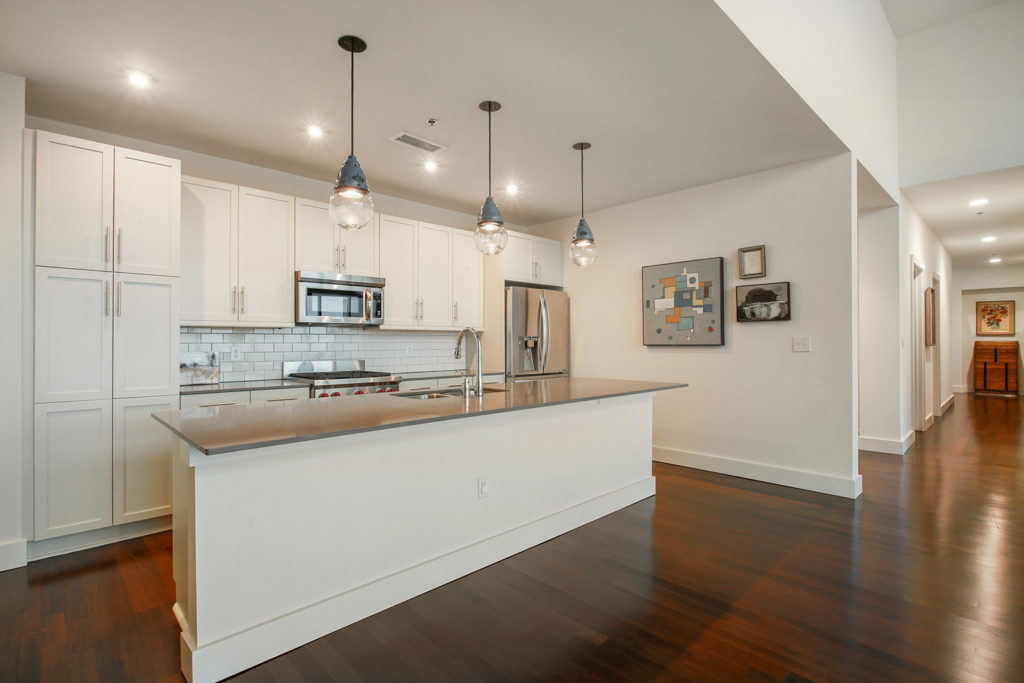
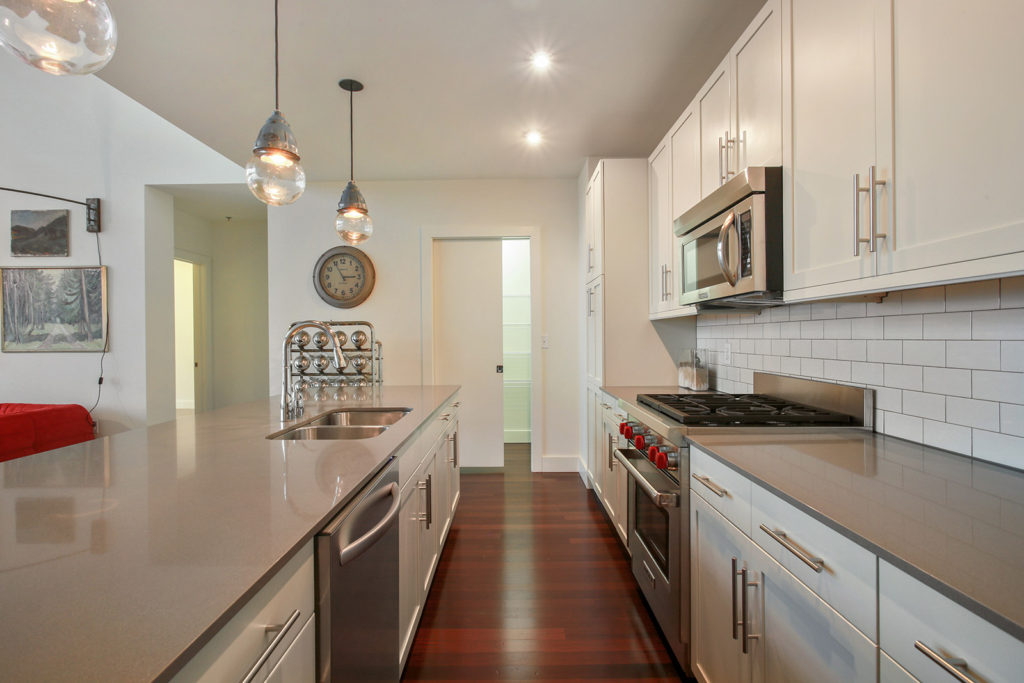
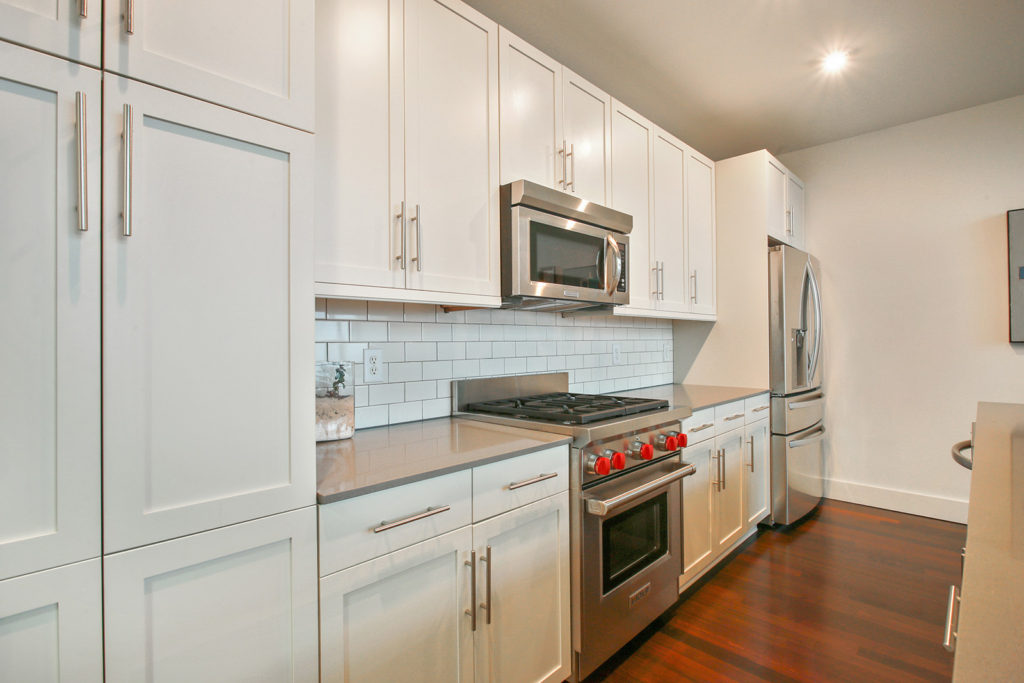
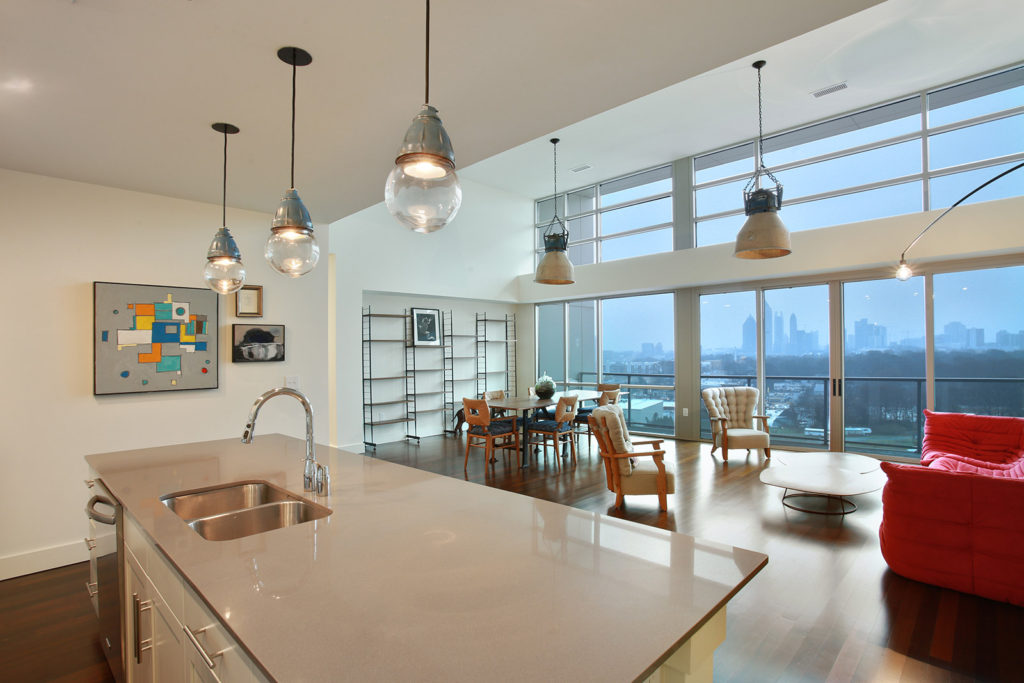
Inside the nearly 2,500-square-foot unit, dark Brazilian hardwoods contrast nicely against crisp white walls and silver finishes. The real showstopper, however, is a wall of 14-foot windows in the living room that overlook the city.
In both the kitchen and bathrooms, you’ll find a predominately white color scheme, including the cabinets, subway tile, and fixtures. The one notable exception is the master bath’s dark brown cabinets and a similarly shaded countertop.
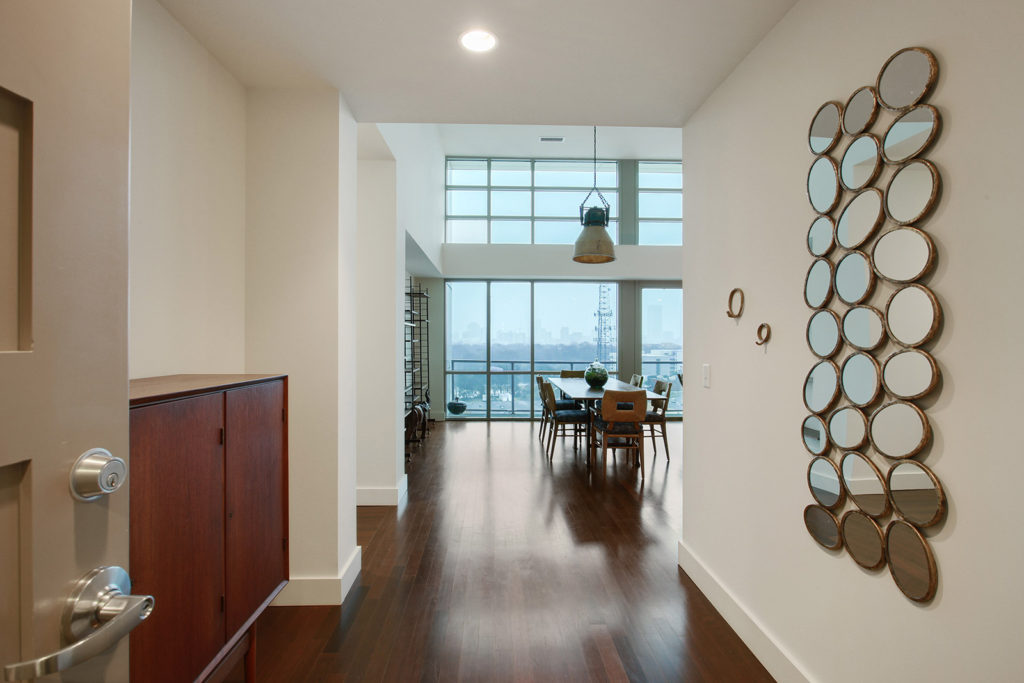
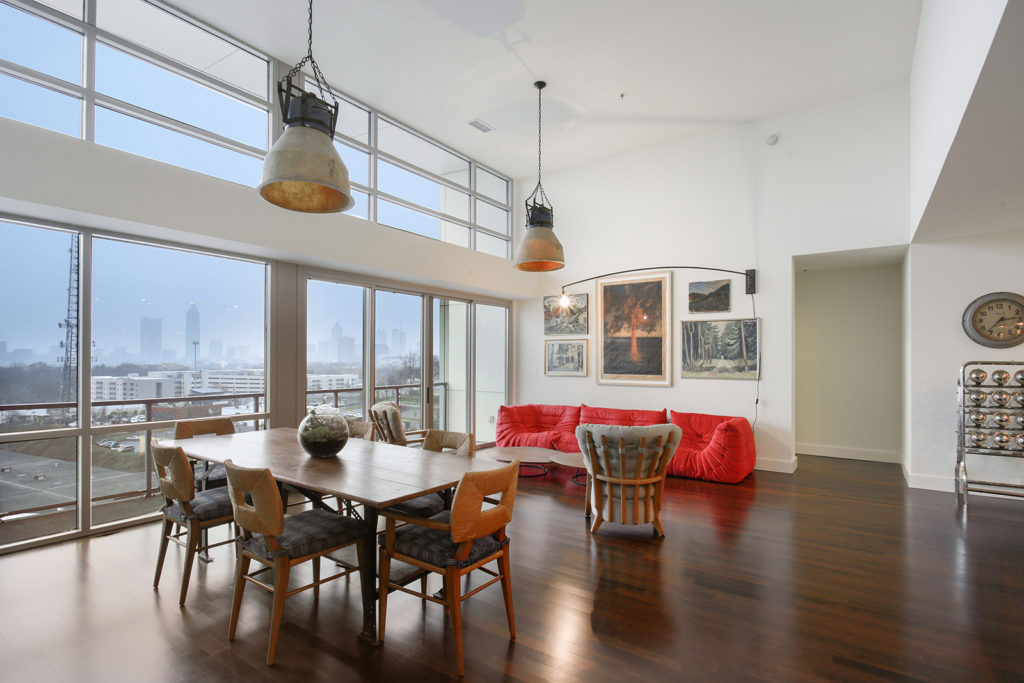

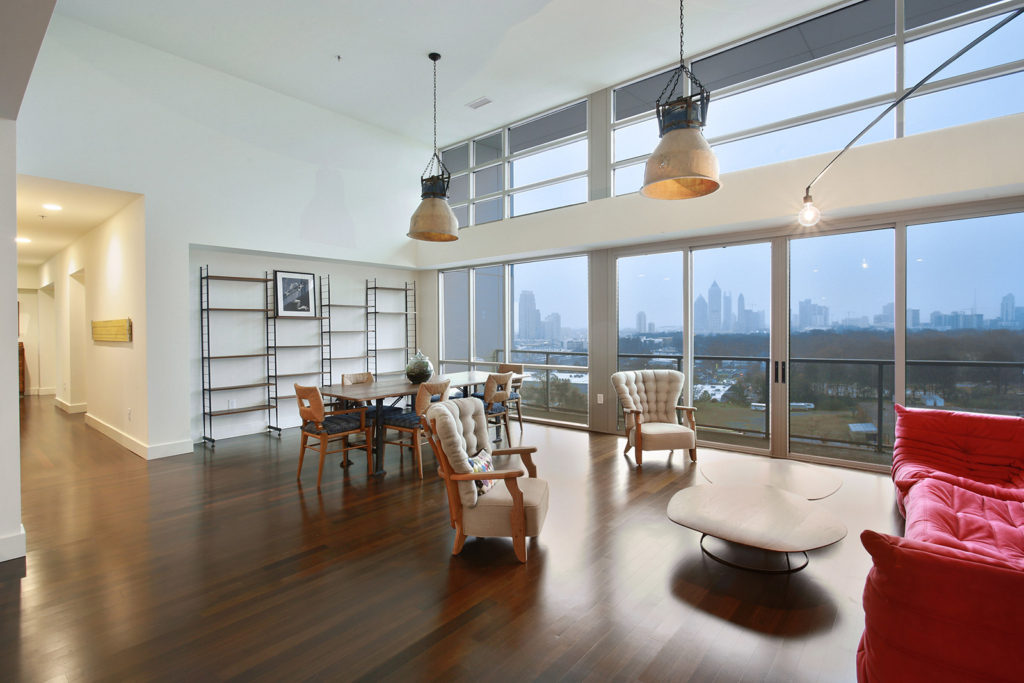
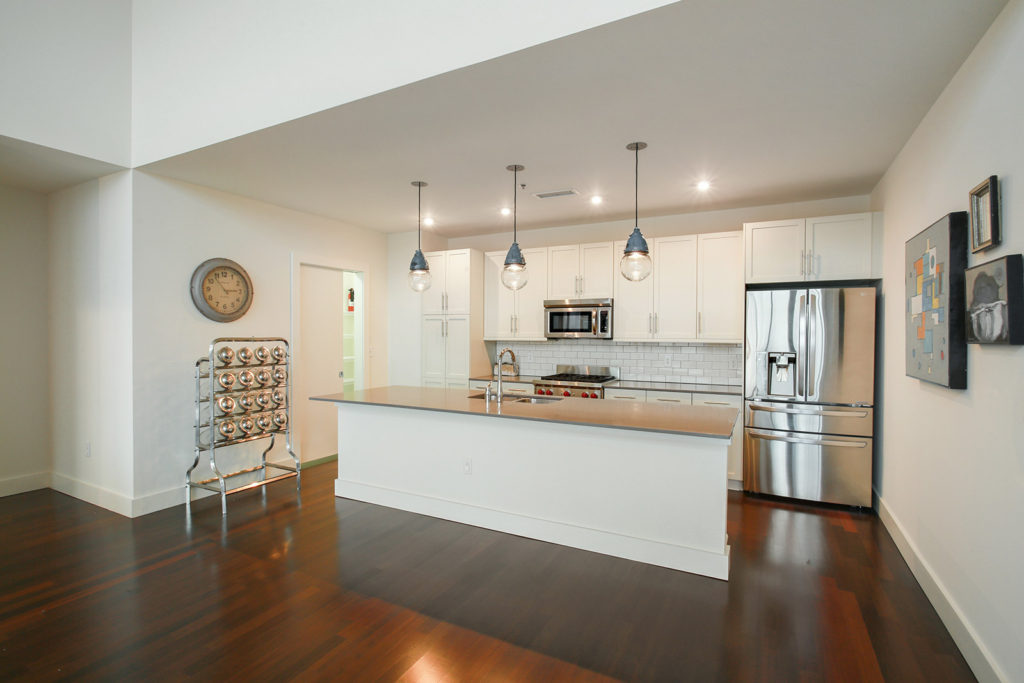
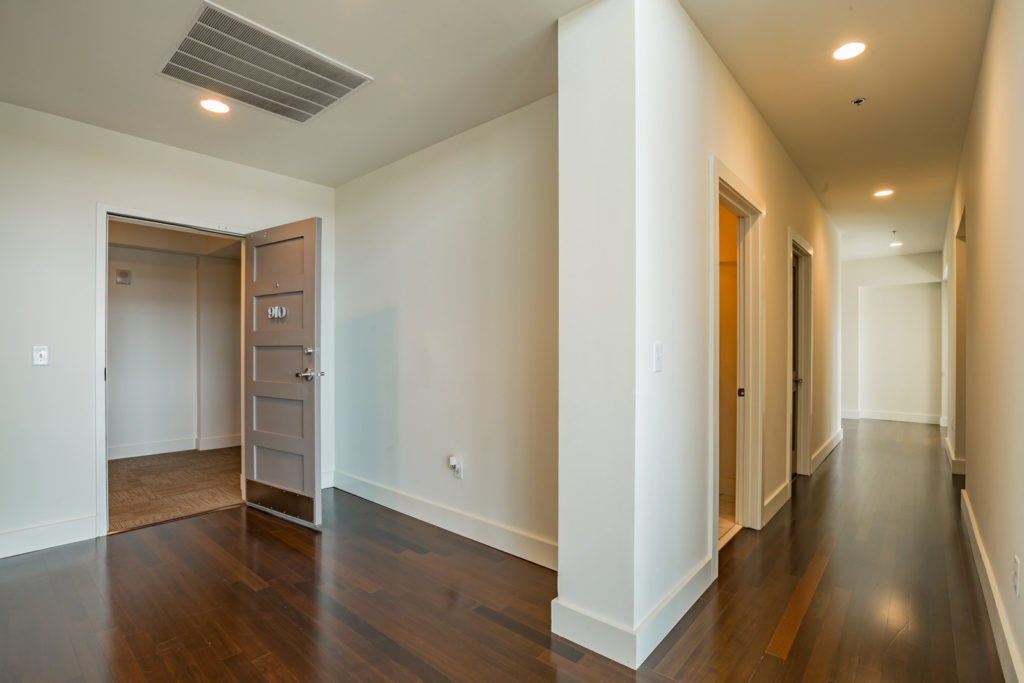
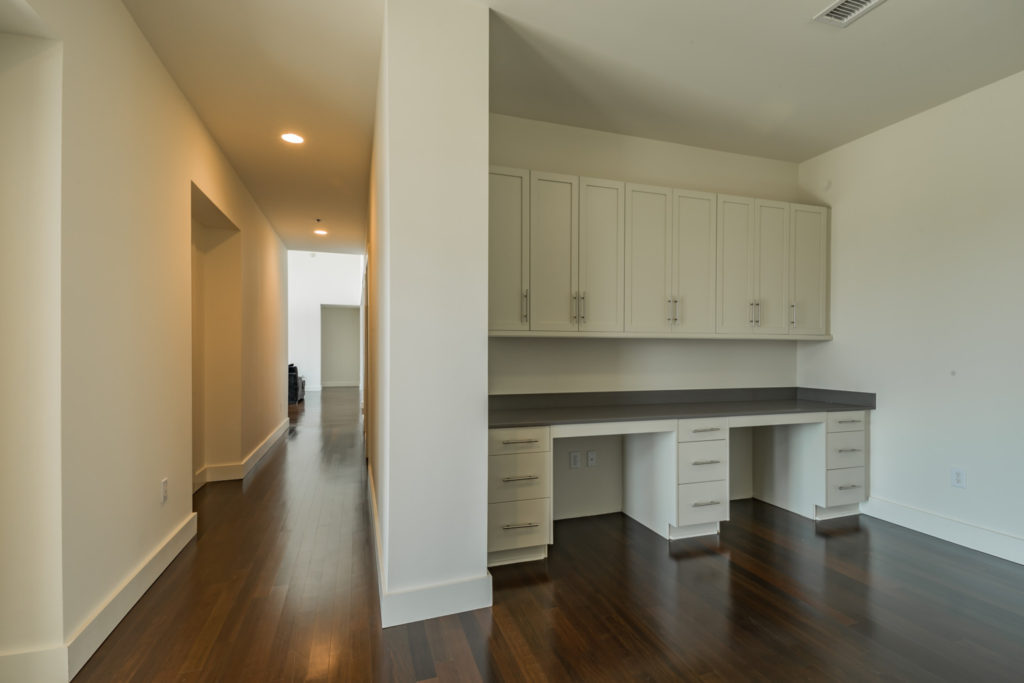


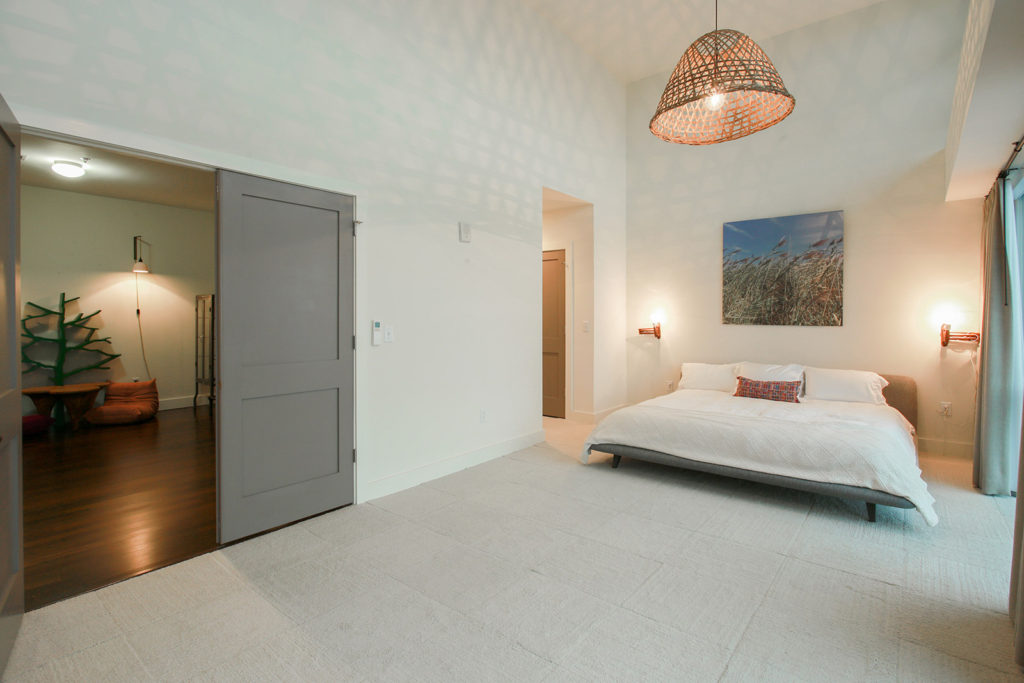
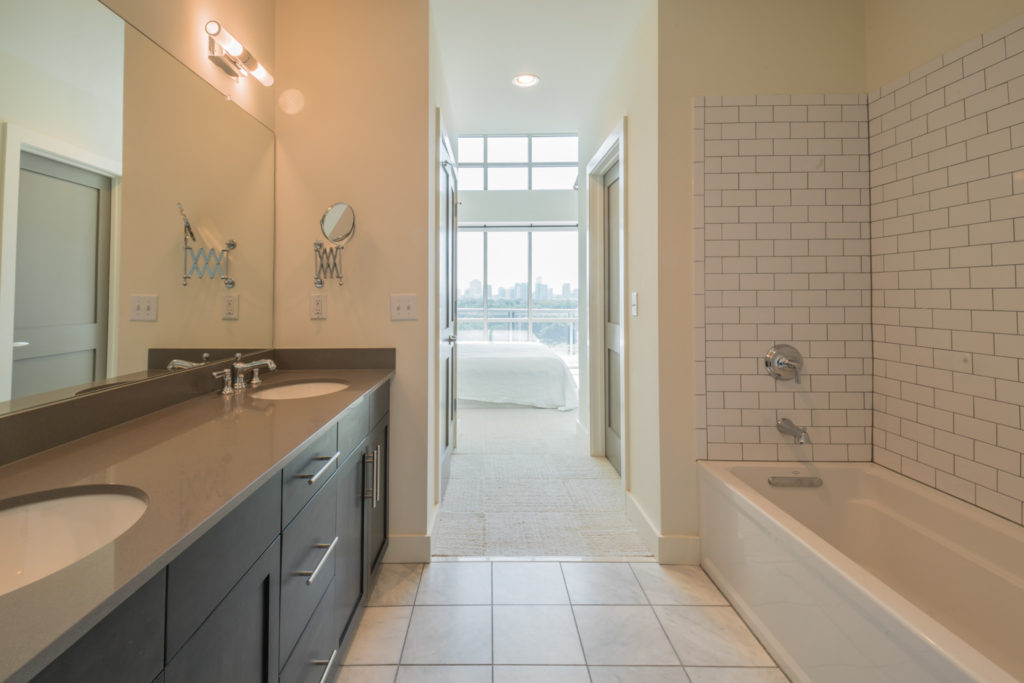
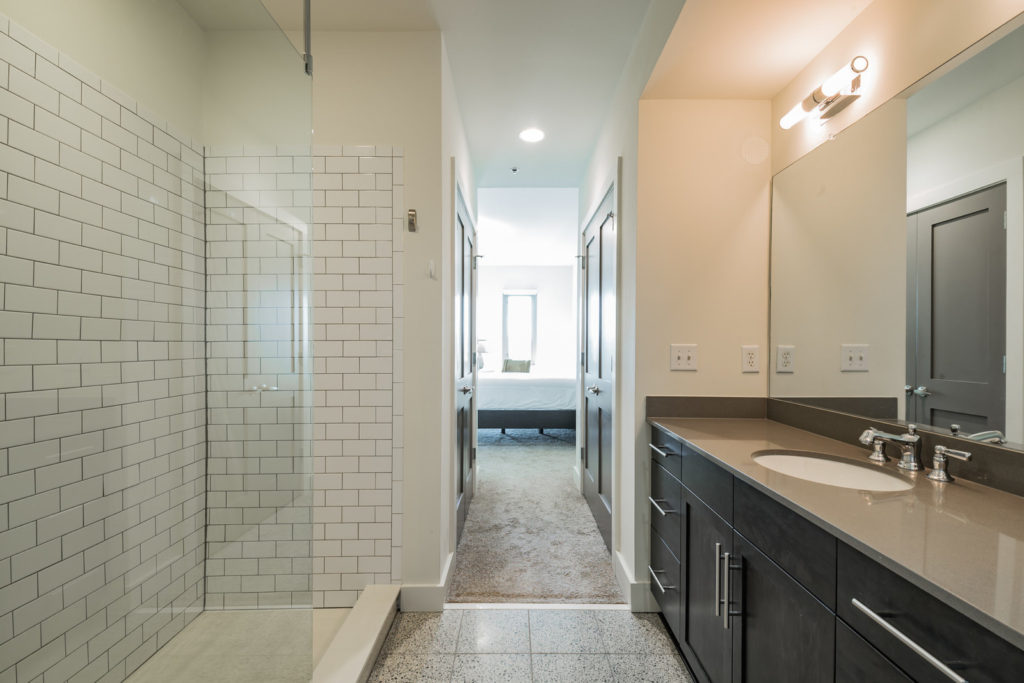
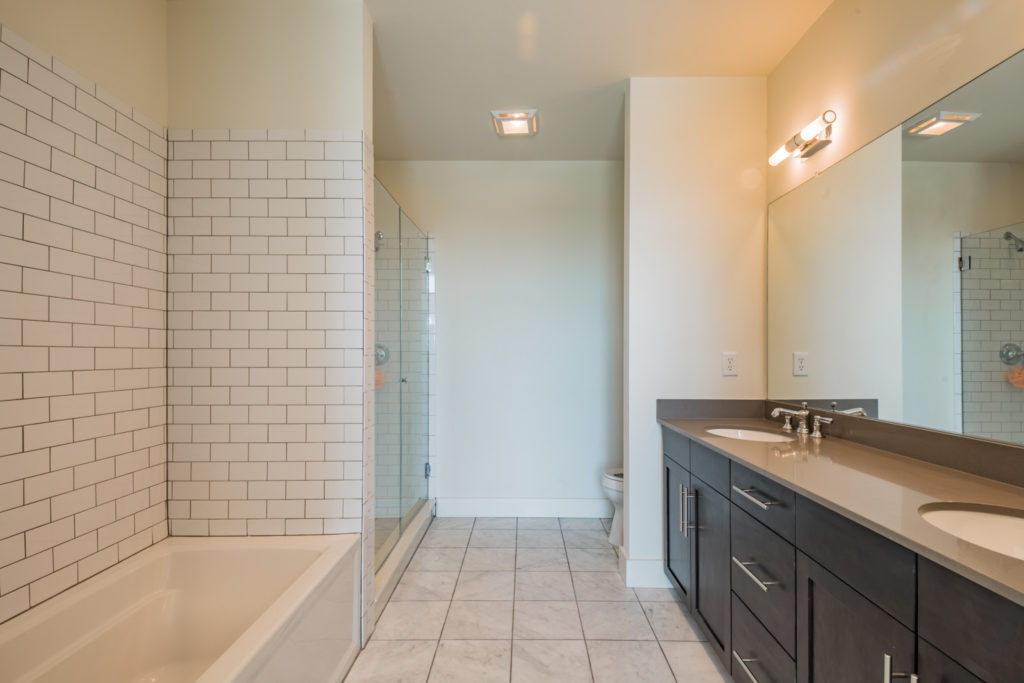
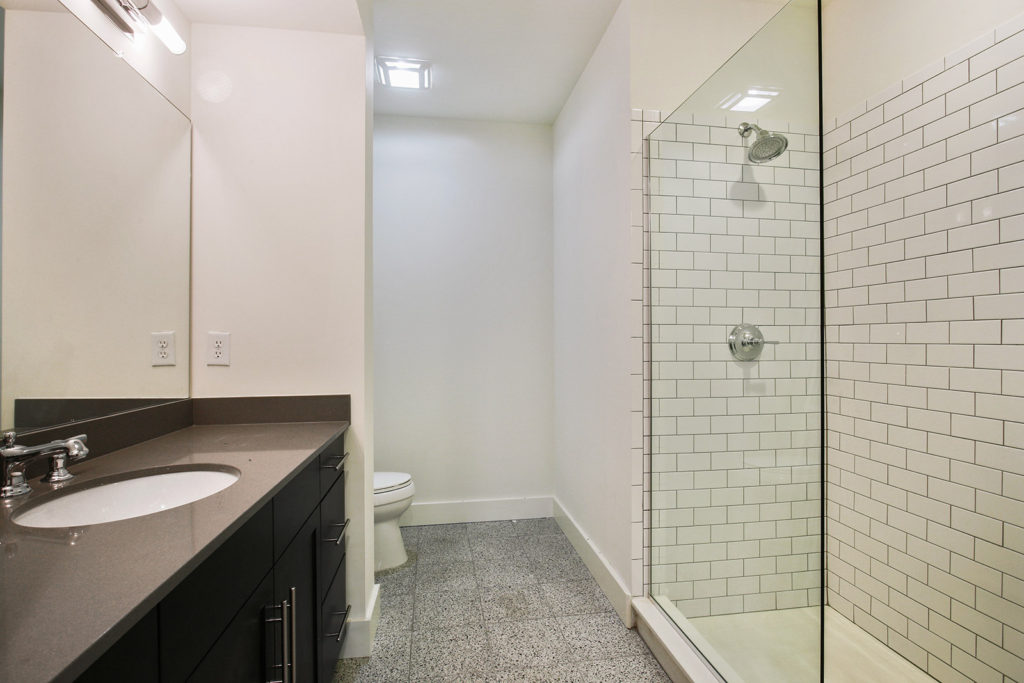
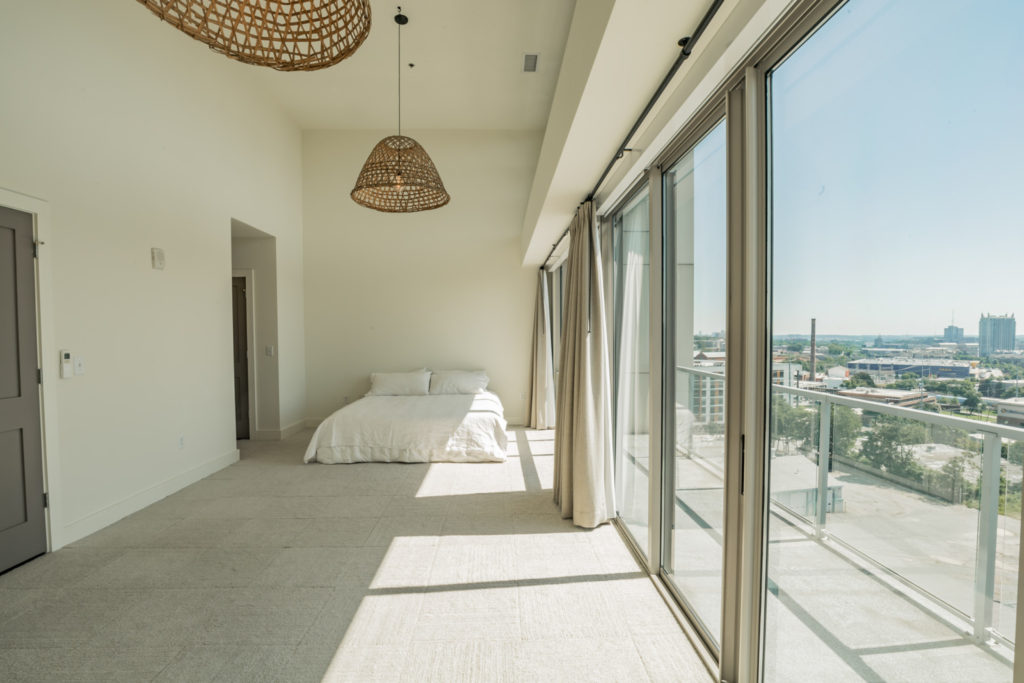
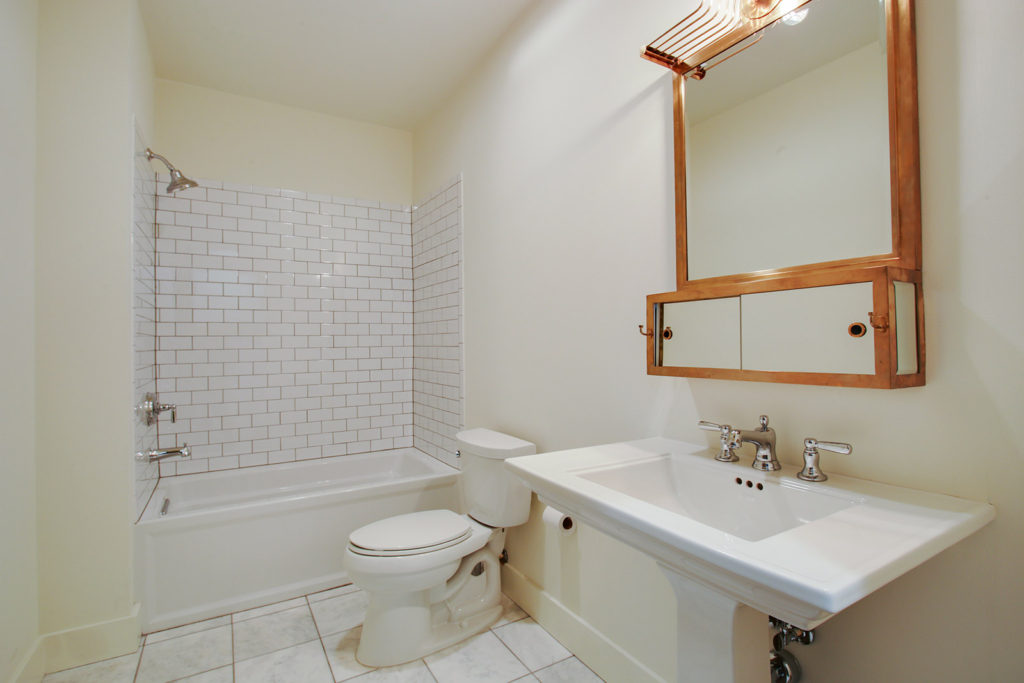
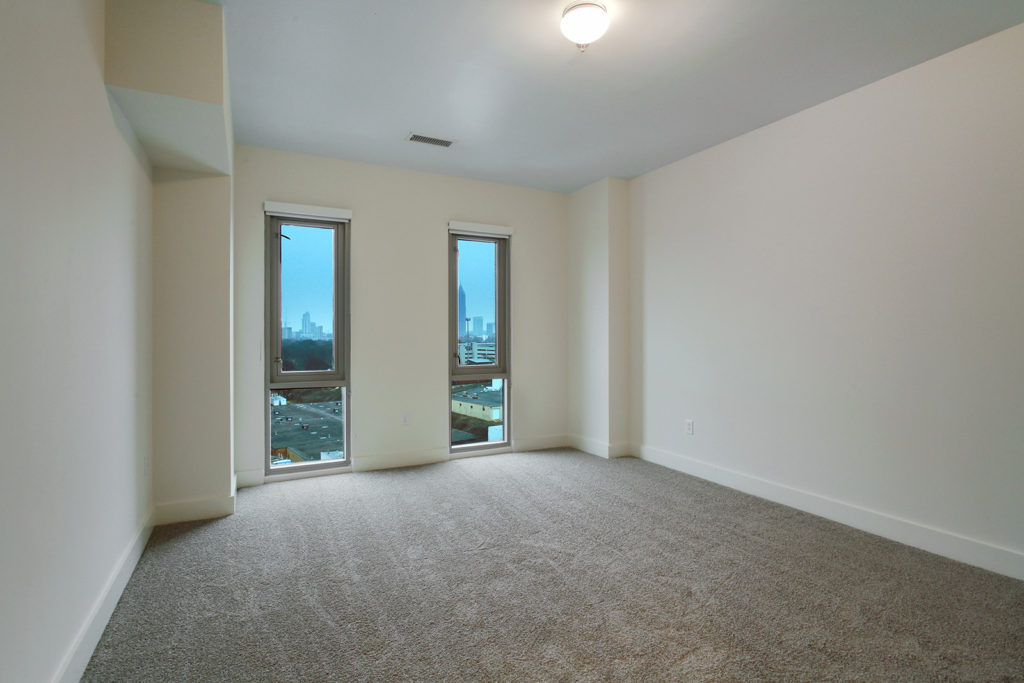
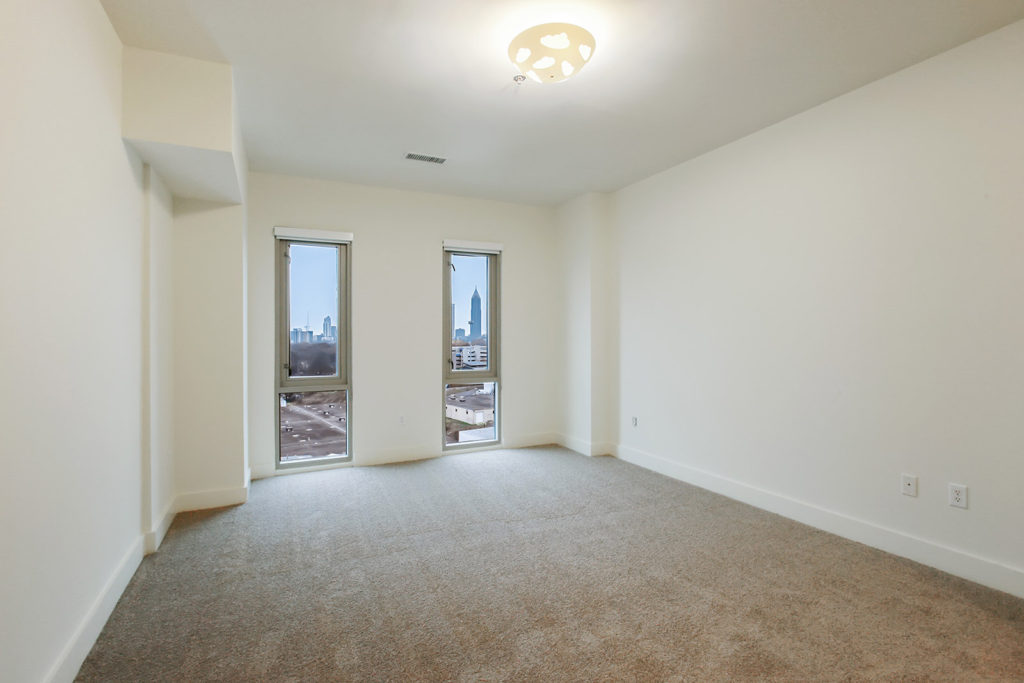


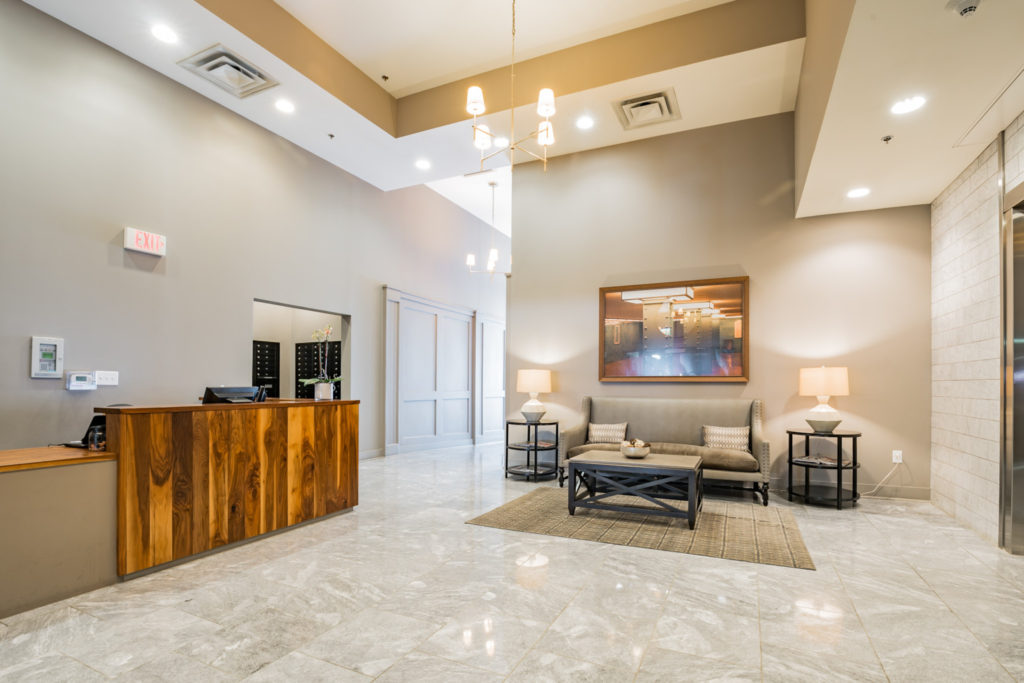
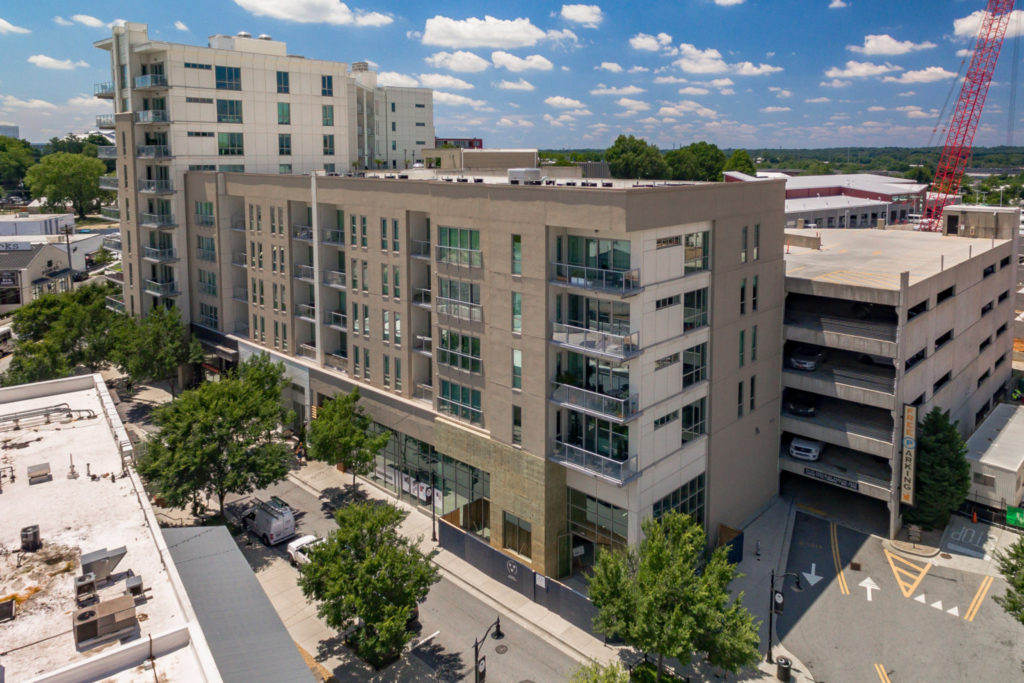
Photos courtesy of Rea Kelly of Atlanta Fine Homes.
Panoramic skyline views are also available from private terraces that jut off the the living room and at least two of the bedrooms — allowing you to take in all the different angles of the Southern city.
Located in the exclusive White Provision Residences, the home provides building amenities including a lap pool, a fitness center and a guest suite. The price tag for the condo also includes three parking spaces, a separate storage unit, and easy access to nearby retail and restaurants.
Hannigan has stayed out of the limelight recently, and we can see why — we’d be busy enjoying this spectacular penthouse, too.
Rea Kelly of Atlanta Fine Homes holds the listing.
Related:
- Buy ‘Friends’ Star Matthew Perry’s Ultimate LA Bachelor Pad
- Steph Curry Shoots for $3.195M for His California Estate
- Kendall Jenner Packs It In, Listing Her LA Condo for $1.6M
from Zillow Porchlight https://www.zillow.com/blog/alyson-hannigan-atlanta-218531/