Tuesday, June 20, 2017

Mortgage Rates Start Summer Near 2017 Lows ... Will It Hold?

This month the Federal Reserve hiked rates for the third time in seven months. Does this mean the end of low mortgage rates? Let’s take a closer look to see how it impacts your home-buying and refinancing plans.

What is a Fed rate hike, anyway?

The Fed Funds Rate is an overnight bank-to-bank lending rate. While this rate isn’t available to consumers, the Federal Reserve (America’s central bank) uses it to help influence overall rate levels in the economy.

When times are tough, the Fed lowers the Fed Funds Rate to stimulate the economy. In the heat of the 2008 financial crisis, it cut the Fed Funds Rate all they way down to .25 percent, and kept it there until December 2015, when it felt the  economic recovery had solidified.

Then it started hiking in increments of .25 percent, and have done so four times: December 2015, December 2016, March 2017, and June 2017.

Even though the Fed Funds Rate has now risen to 1.25 percent, traditional mortgage rates haven’t risen much - and, in fact, are near 2017 lows as summer kicks off.

Certain mortgages are already up 1%

When we say “traditional mortgage rates” are holding near 2017 lows, we mean rates on primary mortgages that most people get on their homes.

However, one mortgage product that’s directly impacted by these Fed hikes is the Home Equity Line of Credit (HELOC).

HELOC rates are based on two components: a set base rate called a “margin,” plus a fluctuating rate called an “index.”

The index for HELOCs is the Prime Rate, which is a rate that is directly tied to Fed Funds. In fact, the Prime Rate is the Fed Funds Rate plus 3 percent.

We know that the Fed Funds Rate is now 1.25 percent after recent hikes. This means that the Prime Rate is now 4.25 percent.

Therefore anyone with a HELOC now has a rate of 4.25 percent plus whatever their margin is. Margins are typically somewhere between zero and three percent in addition to Prime, and your margin is based on your credit quality and how much or little you’re borrowing relative to the price of your home.

HELOC rates rising 1 percent because of recent with Fed hikes means that your monthly interest cost on a $100,000 HELOC is now $83 more per month.

If have or need a HELOC to get cash out of your home but don’t want to risk your rate rising further, here’s how to evaluate the difference between a HELOC, home equity loan, and a cash out mortgage.

Traditional mortgages are holding at 2017 lows

The reason rates on primary mortgages most people get haven’t spiked like HELOC rates is because primary mortgage rates are tied to trading in mortgage bonds, not the Fed Funds Rate.

Most U.S. mortgage loans up to $424,100 are packaged into mortgage bonds, and these bonds trade daily in global markets. Mortgage rates fall when prices of these bonds rise on economic uncertainty, and vice versa.

Rates have been holding near 2017 lows as demand for mortgage bonds remains strong. The reason for this demand is that these bonds are considered a safe investment when policy initiatives in Washington and global economic growth looks uncertain (like it does now).

Where do mortgage rates go from here?

Thirty-year fixed mortgage rates on loans up to $424,100 are currently at or just below 4 percent as of  this writing - please note mortgage rates change throughout each day.

The Mortgage Bankers Association updates its rate forecasts monthly, and the June forecast calls for rates to rise very slightly - about .125 percent to .25 percent - from current levels as we move through the summer. And they call for rates to be around 4.375 percent as we move into the holidays.

These projections can change monthly as the economic and political environment evolves in the U.S. and globally, but for now you can see that rates might rise by about .375 percent by year end.

On a $300,000 loan, this would mean your payment rising by $66.

Not that $66 is small, but in the context of the global rate market, this is a relatively small increase that shouldn’t fundamentally alter how much home many people qualify for.

Looking for more information about mortgages? Check out our Mortgage Learning Center.

Related:

Note: The views and opinions expressed in this article are those of the author and do not necessarily reflect the opinion or position of Zillow.


from Zillow Porchlight https://www.zillow.com/blog/mortgage-rates-summer-2017-217563/

Thursday, June 8, 2017

Kendall Jenner Packs It In, Listing Her LA Condo for $1.6M

Kendall is often the quietest one of the Kardashian/Jenner bunch. Despite being one of the highest-earning models in the world, her real estate purchases have been quite tame. Especially compared to younger sister Kylie, who has bought and sold several mansions since turning 18, and is currently forking over a hefty $125,000 a month for her rental.

Perhaps Kendall has decided it’s her turn to make some real estate headlines. Her L.A. high-rise unit just hit the market for $1.6 million - which will buy an awful lot of fanny packs.

The young Jenner picked up the property in May 2014 for $1.3 million — likely with the help of mom Kris, who manages many of the family’s real estate transactions.

Located in the Wilshire corridor, the beautiful corner unit spans 2,068-square-feet, with views of greenery, a sculpture garden and the city skyline. While the exterior views from the unit are enviable, the interior is even more so.

The 2-bed, 3-bath residence feels spacious thanks to high ceilings, lots of natural lighting and an open floor plan. Combine that layout with a color palette of beige, white, gray and pale lavender, and it’s exactly where we’d picture Kendall relaxing after a long photo shoot.

Photos from Zillow listing

The designer kitchen features stainless Sub-Zero and Viking appliances, while the bathrooms are decked out with Kohler and Grohe fixtures. While it’s hard to imagine needing any more amenities with a starter apartment this luxurious, the building does boast a heated pool, fitness center, social room, conference rooms and wine storage. And, if there’s anything else you need, a 24-hour concierge, security team, and doorman are standing by.

We might see Kendall’s name in more headlines soon if she’s trading up. But maybe she’s just hoping to spend more time at her other Los Angeles property: a $6.5-million modern manse she picked up from Emily Blunt and John Krasinski last year.

Joyce Rey of Coldwell Banker holds the listing.

Related:


from Zillow Porchlight https://www.zillow.com/blog/kendall-selling-la-condo-217096/

Monday, June 5, 2017

Is Buying a 'Starter Home' Still Smart?

When the Baby Boomer generation was venturing into adulthood, it was common to buy a “starter home” - a modest, small dwelling. As their families grew and careers advanced, they moved into bigger or better homes.

Now, many people struggle to come up with the down payment for a first home. They may wonder if it’s smarter to wait and save more money so they can buy a home that makes more long-term sense, or go the other route, buying a starter home and planning to stay in it for more years.

It’s a personal, practical and financial decision, but here are some pros and cons of buying a starter home.

Pro: Build stability quicker

Lots of lessons come from homeownership. It exposes you to a new set of decisions and circumstances.

One surprise benefit that strikes most people is the stability they feel when they become homeowners. They might feel more grounded, and a part of a larger community.

After making a few cosmetic changes to make a home “theirs,” many new homeowners find they enjoy nesting at home, having friends over, and enjoying their own space.

Con: Buying twice means moving twice

Think you’ll be ready to upgrade in just a few years? It might be more cost-effective to save and stretch for the larger house, so you can stay in it longer.

Although mortgage rates are low, there are costs associated with buying and selling a home: title insurance, inspections, brokerage commission, along with a handful of loan fees.

Plus packing up and moving twice can be expensive and exhausting. Some prefer to pick one house for the long haul. While staying put and continuing to rent may seem wasteful in the short term, it might be a more strategic move.

Pro: Build equity sooner

Although not the guarantee it was a generation ago, odds are good that when you get into your first home, you can realize some equity. If you can commit to at least five to seven years, there’s a chance you can come out well ahead.

By making improvements that add value, you can take the equity you’ve built and apply it as a down payment on the next home. In essence, the starter home might help you purchase your dream home.

Con: You may spend more than you planned

There are soft costs to home ownership. Property taxes and mortgage payments aren’t the only expenses to owning. You’ll need to furnish your new home, purchase window coverings, and pay for landscaping improvements.

You’ll likely want to paint, refinish the floors, or change the carpet before moving in. And, you’ll surely make mistakes along the way by hiring the wrong contractor, making a poor landscaping decision, or mistakenly waiting to install the new AC condenser.

Some parts of homeownership are trial and error. It adds up. You might be better off avoiding those expenses by renting and saving for your long-term home.

Pro: Start realizing the tax benefits

When you own a home, the interest portion of your monthly mortgage payment can be written off, dollar for dollar against your income.  If you spend $1,000 per month on mortgage interest, at the end of the year, you can deduct $12,000 off your taxes.

When you pay rent, the money goes to your landlord, and that’s it. The sooner you own, in theory, the faster you can save some money - perhaps toward your next home.

Con: Homeownership isn’t a sure thing

The world moves at a faster pace today, and that affects home values. Just a generation ago, people stayed closer to home, got married earlier, stayed married forever, and kept the same job through retirement.

Today, people choose to stay single longer, and may even purchase their starter home solo. Divorce rates are higher, the global economy moves people all over the world for work, and we prefer to stay more mobile.

That means homeownership may not be part of the equation. What happens if you buy your starter home and then get a job transfer, divorce, or the opportunity of a lifetime to live abroad? You might be stuck being an accidental landlord or selling your home at a loss.

It’s up to you

If you play your cards right, you can get into the starter home sooner rather than later and make a smart financial decision. If you buy the right first house, are open to building sweat equity, and plan to hang out there for five to seven years, there’s a good chance that you’ll have made a smart move.

This decision will enable you to get into a larger home, in a better neighborhood or school district, or maybe just your dream home.

Homeownership is a personal choice, and there is no one path to take. Stick within your comfort zone, and always go with your gut.

Check out our Home Buyers Guide for more tips and tools.

Related:

Note: The views and opinions expressed in this article are those of the author and do not necessarily reflect the opinion or position of Zillow.


from Zillow Porchlight https://www.zillow.com/blog/buying-starter-home-216765/

Thursday, June 1, 2017

Barack and Michelle Obama Buy $8.1M D.C. Home

After Barack Obama’s presidential term ended, there was a lot of speculation about whether the Obama family would move back to Chicago, stay in Washington D.C. or head somewhere entirely new. The uncertainty about where they’d land was further fueled by their decision to rent in ritzy D.C. neighborhood Kalorama.

It now looks like the Obamas have decided to stay - not just in D.C., but in the very Kalorama home they’ve been renting. In a statement quoted by Chicago Sun-Times, Kevin Lewis, an Obama spokesperson, explained, “Given that President and Mrs. Obama will be in Washington for at least another two and a half years, it made sense for them to buy a home rather than continuing to rent property.”

Two and a half years is presumably a reference to when the youngest Obama, Sasha, will graduate high school (she attends D.C.’s prestigious Sidwell Friends School).

The Obamas’ next few years in D.C. will certainly be spent in style. The $8.3 million Tudor-style home contains 9-bedrooms, 8.5-bathrooms, a cozy sitting/reading room, expansive formal gardens, and was renovated in 2011.

Inside the front door, guests are greeted by a dramatic black-and-white checked tile floor and a staircase that leads up to the second story. The dramatic details stop there, transitioning to more muted but sophisticated decor - with the second story featuring light hardwood flooring, pale grey walls, and crisp white crown-and-base molding.

In the kitchen, grey-and-white marble counter tops are framed by tall white cabinetry, state-of-the-art stainless steel appliances, and is awash in sunlight pouring into the room through the tall, gothic door that sits between the kitchen and dining room.

For more dramatic fair - fitting of a family who loves to entertain - the formal dining room features a hardwood ceiling, which serves as a surprising juxtaposition against the more traditional flooring, as well as a wall of black french doors leading to a gated courtyard.

Throughout the home, classic Tudor features, like wainscoting, built-in bookshelves, and casement windows with a diamond grille pattern, add to the stately sophistication of the home.

With the Obama family named the most desirable celebrity neighbors of 2017, those hoping to score an invite to backyard barbecues better start looking for homes in Kalorama now.

Photos courtesy of Mark McFadden of McFadden Group/Washington Fine Properties.

Related:


from Zillow Porchlight https://www.zillow.com/blog/barack-michelle-obama-buy-dc-home-216622/

Wednesday, May 31, 2017

Building Credit 101: Tips for Recent Grads

If you’re a recent college grad, you’ve likely heard speeches about pursuing your passions and believing in yourself, but you probably haven’t heard much about establishing a good credit history. Here’s what you need to know.

It matters - a lot

Qualifying for mortgages, auto loans, apartments and even jobs has become dependent, to some degree, on your credit history.

Find out where you stand

The first step is knowing your current status. Access your credit report by visiting Annual Credit Report.com. Make sure all the information on the report is accurate, because errors can - and do - occur. Damaging discrepancies need to be corrected right away.

Build a credit history

Your credit history is one of the key factors making up your credit score, the all-important three-digit number that determines the rates you pay on everything from credit cards to mortgages to auto insurance.

The best time to build a credit history is when you’re young, and the best way to start a credit history is to get a credit card. This may sound counterintuitive, but if you don’t have a credit card, the scoring system has no information to go on for assessing your creditworthiness, so you come across as a credit risk.

Research credit card options

While many of the major issuers offer cards geared toward new applicants with little or no credit history, you might stand a better chance of getting a card at a credit union. Size up your card options on a site such as LowCards.com.

Gas cards and department store cards are also typically easy to get and can be a good place to start if your options are limited.

Another possibility - especially if you don’t have any credit history or your credit is damaged - is to get a secured card. These cards work just like a regular credit card, except that you place a security deposit with the credit card issuer to obtain one. They typically require $200 or more for the deposit, and this amount becomes the credit line for the account.

Use credit responsibly

The way to keep your credit score high is to spend responsibly within your means. Don’t use more than 30 percent of your available credit, and pay off your balances in full and on time every month. Your payment history contributes to 35 percent of your credit score, so this point is important.

Chip away at student loans

Student loans are a form of debt, and are therefore taken into account as part of your credit score. And while you may be worried about a lender seeing all of this debt (likely tens of thousands of dollars), there’s no need to be concerned if you’re handling your finances properly. Just be sure you’re managing your debt obligations and repaying them on time, every time.

Related:

Note: The views and opinions expressed in this article are those of the author and do not necessarily reflect the opinion or position of Zillow.

Originally published May 29, 2015.


from Zillow Porchlight https://www.zillow.com/blog/building-credit-for-grads-177080/

Tuesday, May 30, 2017

Robert Downey Jr. Picks Up His Second Home This Month

Despite four decades in Hollywood, the “Avengers” star isn’t any closer to slowing down. If anything, Robert Downey Jr. is busier than ever. He’s got one movie in post-production (“Spider Man: Homecoming”), “The Voyage of Doctor Dolittle” in pre-production, is currently filming another “Avengers” movie, and has announced two other films.

Somehow he’s still making the time to pick up new homes — one on each coast. Less than two weeks ago, it was reported that the actor purchased a windmill cottage in East Hampton. This time it’s a $3.8-million Malibu manse.

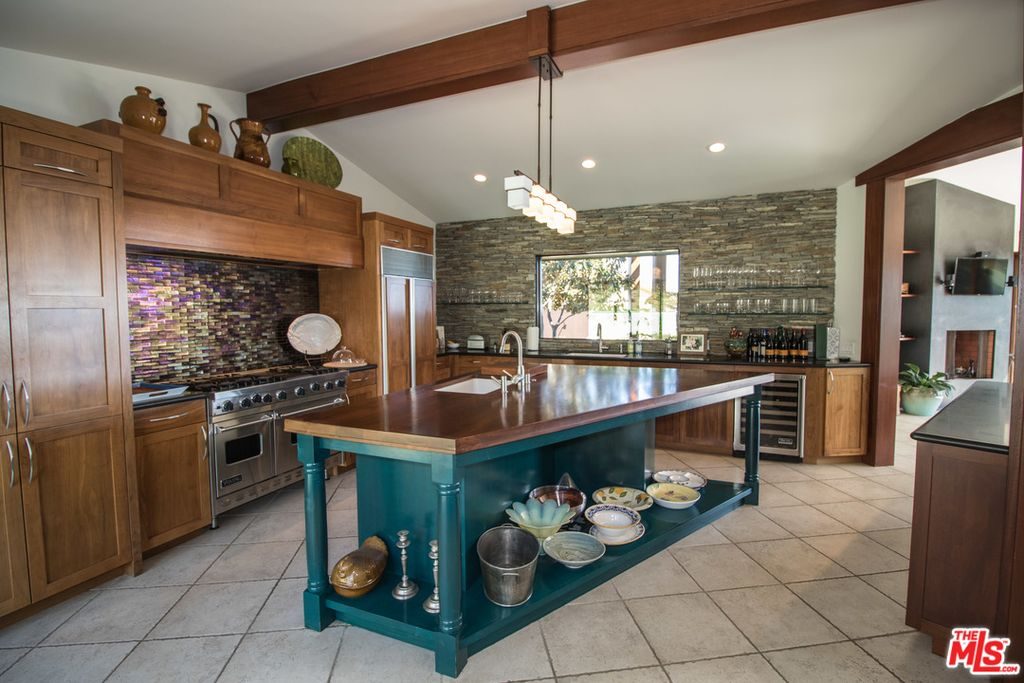
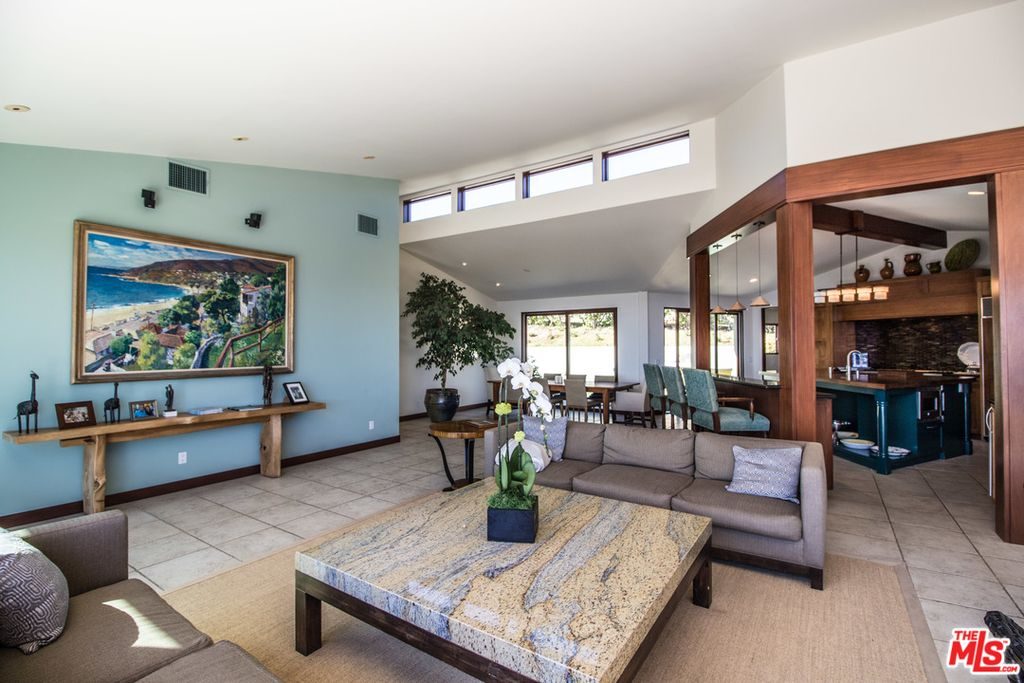
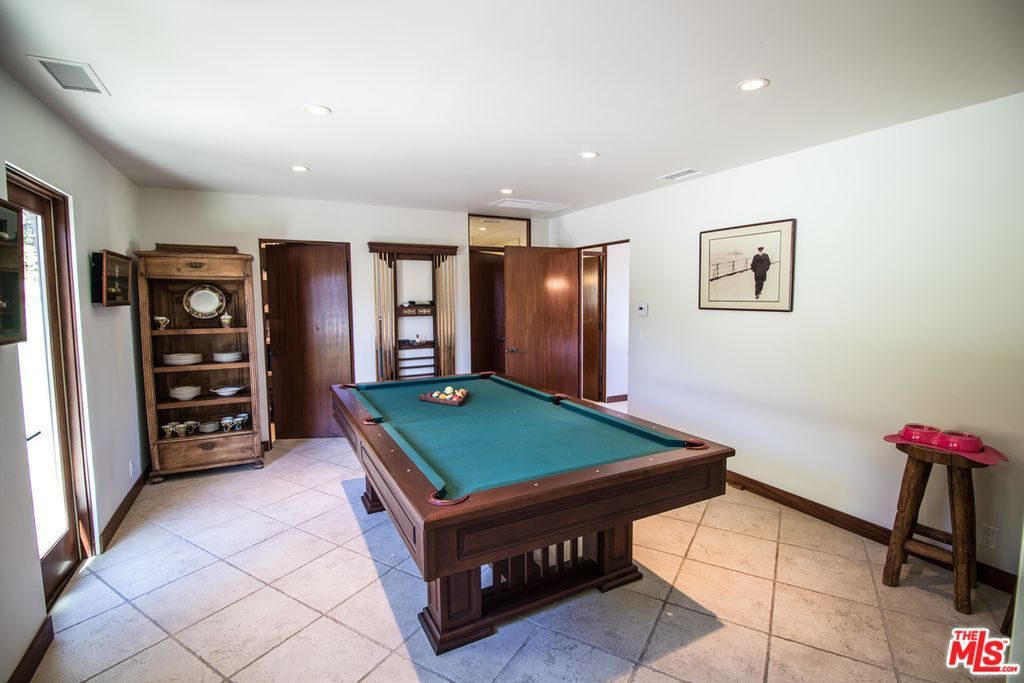
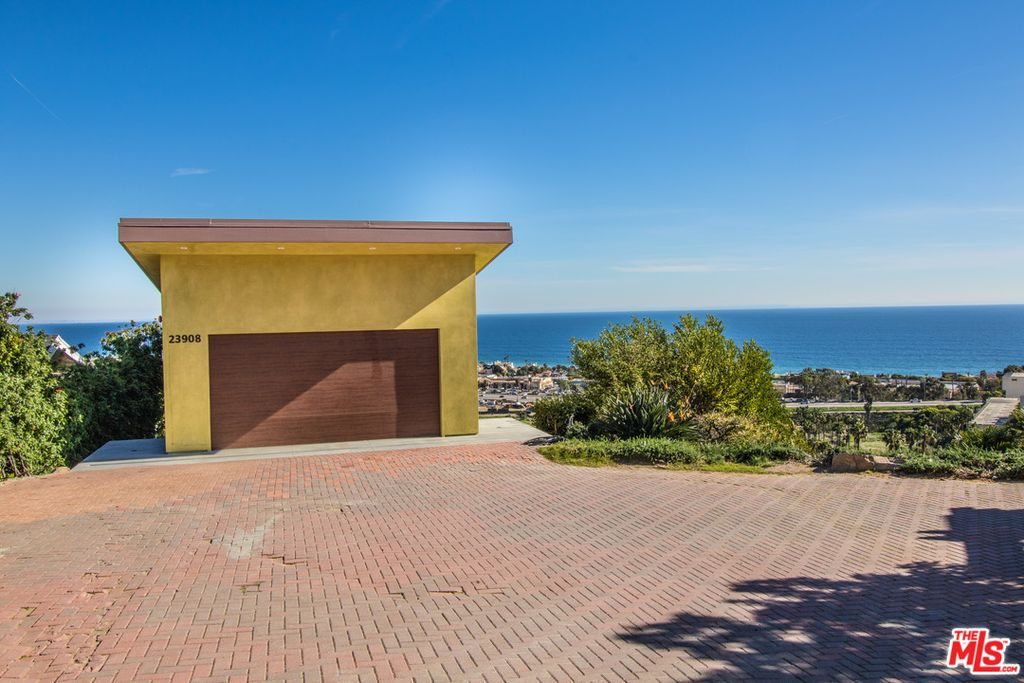
Perched on a sunny cliff, the 3,384-square-foot residence offers sweeping water views from many rooms. In the living room, retractable glass walls flood the huge space with light, and make it feel seamlessly integrated with the outdoor terrace. The kitchen boasts an eight-burner stove, two sinks and a separate wine fridge.

Photos from Zillow listing

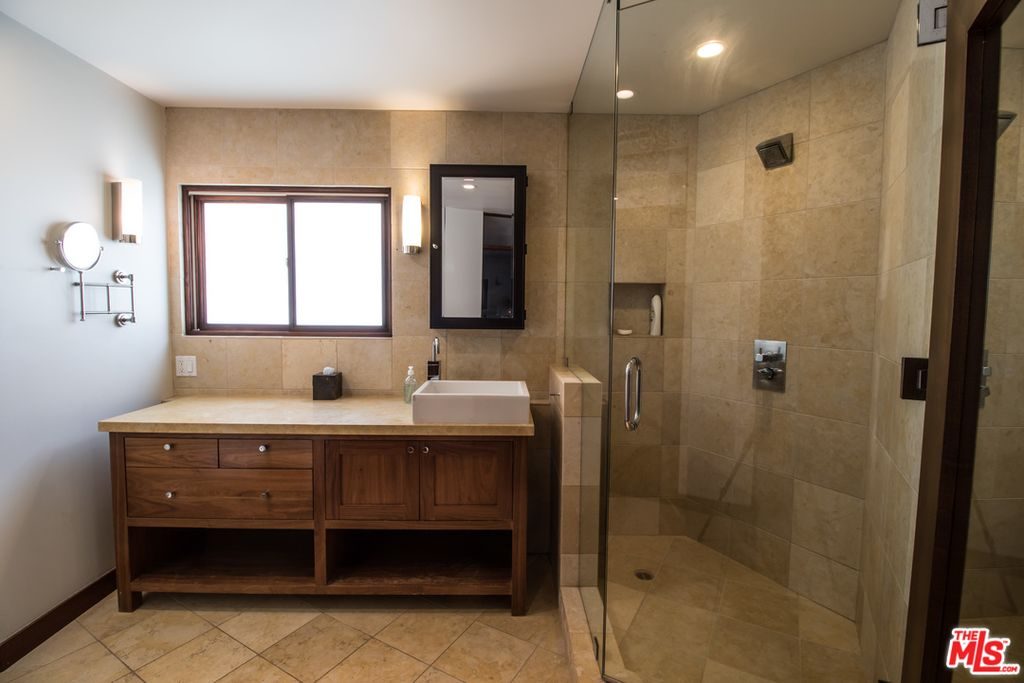
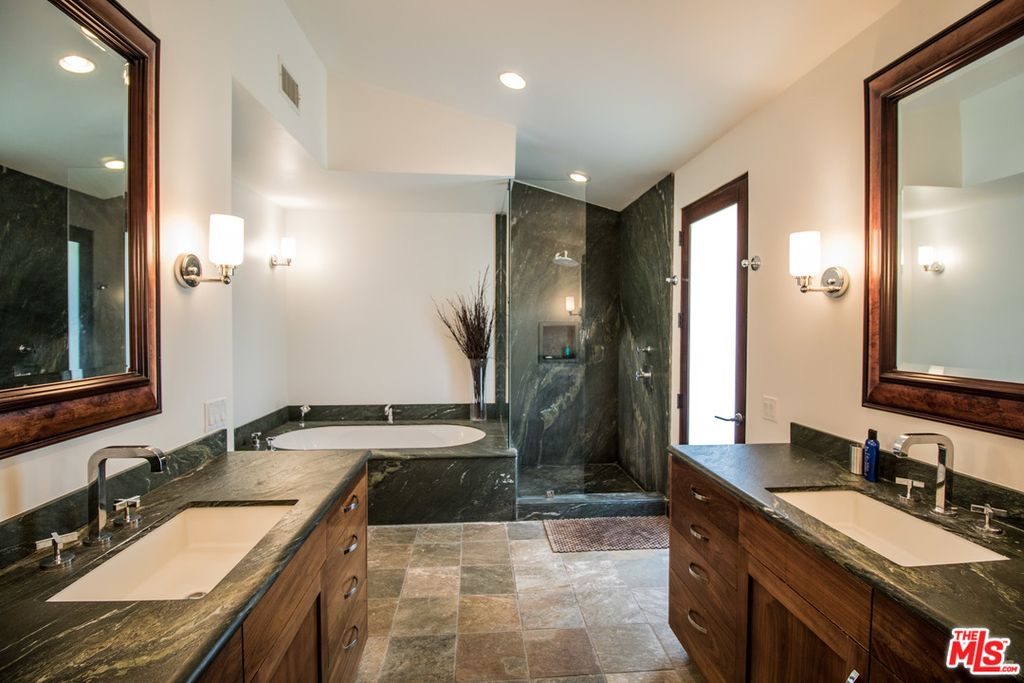
The 3-bed, 3-bath mid-century modern home is actually quite modest for such a big star. It still has an enviable view of Malibu Lagoon and a backyard with all the celebrity fixings — a pool, a hot tub, a fire pit, an entertaining area and even a putting green — but it’s a far cry from many of the other homes he is rumored to own.

Related:


from Zillow Porchlight https://www.zillow.com/blog/robert-downey-jr-buys-in-malibu-216549/

Can You Save Money by Bundling Home Services?

Why pay full price for something if you can get what you want, plus another item, at a discount? This is called bundling, and researchers have been studying the pros and cons of it for decades.

Although many consumers think of bundling as a modern concept - it’s often used to combine TV, internet, and phone services, for example - the practice has been around for years in a variety of forms.

As a homeowner or renter, navigating the benefits and pitfalls of bundling household services means using a little common sense and a bit of economic reasoning. It also requires being aware of when and how products are bundled.

What is bundling?

Everything from fast-food combo meals to items in a two-for-one deal could be considered bundled, especially if sold at a lower price than the separate parts.

For households, bundling might mean purchasing home and car insurance together at a slightly lower rate - the average American, for example, saves 16 percent when bundling the two policies, according to the latest data from InsuranceQuotes.com.

The possibilities for bundling household services abound, according to Andrew Schrage, co-owner of Money Crashers Personal Finance: "You might find someone on Craigslist who can help with electrical, plumbing, and air-conditioning/heating needs. You’ll likely get a discount, because you’ll be bringing that person more work.“

Mixed versus pure bundling

There are several types of bundling, each with varying levels of consumer benefit, according to George John, a professor at the University of Minnesota’s Carlson School of Management. As a homeowner, you’ll most likely encounter these two types:

  • Mixed bundling. The consumer chooses between separate items or a bundle. The pieces will likely be more expensive individually, but the consumer has the option to buy just one piece.
  • Pure bundling. Occurs when the seller offers only a bundle and no individual pieces. This would happen, for example, if a town has only one moving service, which requires clients to buy its cardboard boxes.

In such a scenario, consumers are worse off, because the seller increases its profit by requiring such a deal. The company can get away with it "because they have a very strong market position,” John says.

Understanding your needs is key

Why are so many services offered in bundles? “This is somewhat controversial, but it turns out that companies make more money when they offer you discounts on those bundles, because consumers get tempted into buying it,” John says.

To win at the bundling game, keep your needs in mind, and stay strong in the face of alluring deals. Bundles are a true victory for consumers only if they genuinely need all parts included in it.

When consumers fail to shop around for the other items in the bundle and go for the packaged deal instead, they often walk away with products they don’t want or need - and sometimes pick up lesser-quality goods along the way.

Finally, the touted time-saving advantage of combining bills, which service providers sometimes use as a selling point, may not economize that much time, especially if a consumer would be signing up for automatic bill payments anyway.

Service providers “want to take your attention away from the fact that it’s actually a price move. They want to tell you that you’re getting a better experience if you bundle,” John says.

Client-controlled bundling

Consumers triumph when they control what’s in the bundle. Have a nanny who you pay a little extra to make dinner each night? That’s a bundle. “It’s totally a good deal, because you know the benefit that comes from having the same person watch your child and cook for you. You’ve made the judgment,“ John says.

At the end of the day, discipline is key. Saying no to unnecessary items, looking for other options instead of pure bundling, and refusing to be duped by false benefits will ensure you win the bundling game.

Related:


from Zillow Porchlight https://www.zillow.com/blog/bundling-home-services-216459/