Friday, June 29, 2018

The Do's and Don'ts of Home Equity Loans

Home equity is a valued resource, and if you have it, you might be tempted to tap that wealth for other purposes. A home equity loan, which allows you to use your home’s equity as collateral, is a great way to do this. But depending on your personal situation, it may not be the right thing to do.

Here’s when a home equity loan makes sense - and when it doesn’t.

DON’T: Fund a lifestyle

Remember when homeowners yanked cash out of their homes to fund affluent lifestyles they couldn’t really afford? These reckless borrowers, with their boats, fancy cars, lavish vacations and other luxury items, paid the price when the housing bubble burst. Property values plunged, and they lost their homes.

Lesson learned: Don’t squander your equity! Look at a home equity loan as an investment - not as extra cash when making spending decisions.

DO: Make home improvements

The safest use of home equity funds is for home improvements that will add to the home’s value. If you have a one-time project (e.g., a new roof), then a home equity loan might make sense.

If you need money over time to fund ongoing home improvement projects, then a home equity line of credit (HELOC) would make more sense. HELOCs let you pay as you go and usually have a variable rate that’s tied to the prime rate, plus or minus some percentage.

DON’T: Pay for basic expenses or bills

This is a no-brainer, but it’s always worth reiterating: Basic expenses like groceries, clothing, utilities and phone bills should be a part of your household budget.

If your budget doesn’t cover these and you’re thinking of borrowing money to afford them, it’s time to rework your budget and cut some of the excess.

DO: Consolidate debt

Consolidating multiple balances, including your high-interest credit card debts, will make perfect sense when you run the numbers. Who doesn’t want to save potentially thousands of dollars in interest?

Debt consolidation will simplify your life, too, but beware: It only works if you have discipline. If you don’t, you’ll likely run all your balances back up again and end up in even worse shape.

DON’T: Finance college

If you have college-age children, this may seem like a great use of home equity. However, the potential consequences down the road could be significant. And risky.

Remember, tapping into your home equity may mean it takes longer to pay off the loan. It also may delay your retirement or put you even deeper in debt. And as you get older, it will likely be more difficult to earn the money to pay back the loan, so don’t jeopardize your financial security.

Related:

Note: The views and opinions expressed in this article are those of the author and do not necessarily reflect the opinion or position of Zillow.

Originally published February 23, 2016.


from Zillow Porchlight https://www.zillow.com/blog/dos-donts-of-home-equity-loans-192836/

Wednesday, April 18, 2018

This Tiny Home Has Its Own Pizza Oven – House of the Week

Forget waiting 45 minutes for the delivery guy to show up. In this custom tiny home, pizzas are ready in just two minutes!

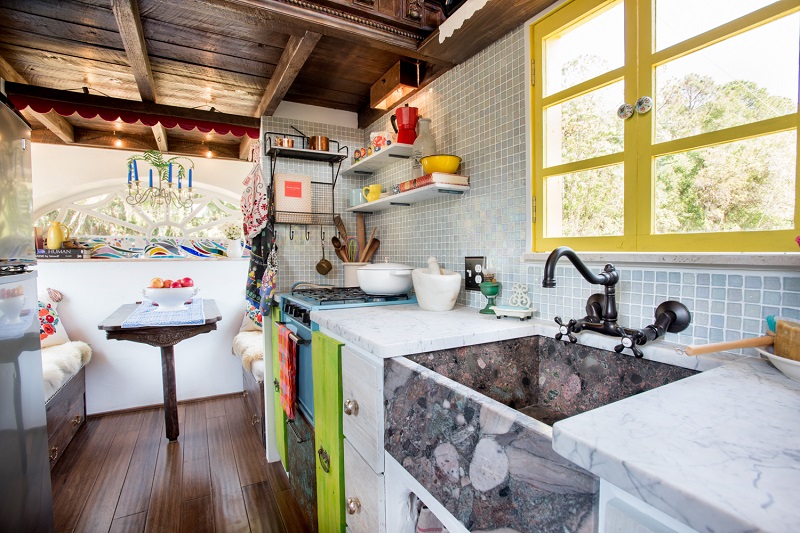
Empty nesters looking to avoid the burden of a big mortgage, Robert and Rebekah Sofia embarked on a 20-month journey designing and building a 221-square-foot home in Ocklawaha, FL. Most people would balk at the idea of putting a 800-degree wood-fired pizza oven in such a small space. But with layers of plaster, cement and a heavy metal door, it’s completely insulated.

The Floridians were passionate about bringing a European flavor to their design and using recycled building materials. From the exterior corrugated metal to the cedar planks and doors - everything had a prior life. Best of all: The materials only cost $15,000.

In addition to the pizza oven, there are amenities you might not expect in a tiny house: a big apron sink, outdoor soaking tub, formal dining room with a chandelier, a hangout music loft and his-and-hers closets.

Photos by John Jernigan.

Related:

The post This Tiny Home Has Its Own Pizza Oven – House of the Week appeared first on Zillow Porchlight.


from Zillow Porchlight https://www.zillow.com/blog/tiny-home-pizza-oven-226014/

Tuesday, February 6, 2018

U.S. Homeowners Spend $15,000 in Hidden Costs to Sell a House

Selling a home not only takes time, but also costs money. To help with budgeting, Zillow and Thumbtack identified several common - but often overlooked - seller expenses.

From closing costs to home prep projects like carpet cleaning, U.S. homeowners can expect to spend more than $15,000 on these extra or hidden costs to sell the median home, according to Zillow and Thumbtack’s Hidden Costs of Selling Analysis.

Closing costs

The two largest closing costs are agent commissions and, in most states, sales or transfer taxes.

Nationally, sellers spend $12,532 for both closing costs on the median home. Sellers should also prepare for a variety of other smaller closing costs, including title insurance and escrow fees.

Home prep costs

Most sellers will complete at least one home improvement project before listing.

While some sellers prefer to complete these projects themselves, those who outsource can expect to spend more than $2,650 nationally to cover staging, carpet cleaning, interior painting, lawn care and house cleaning - five of the most popular seller home prep projects.

Location, location, location

As with all things real estate, these extra costs can vary significantly by region.

In San Francisco, homeowners can pay more than $55,000 on the median home to cover these combined closing costs and maintenance expenses - the highest among the markets analyzed.

Compare that to Cleveland, OH where home sellers pay just over $10,000 for the same costs.

Estimating profit

Even though selling a home costs money, most (73 percent) of sellers are still satisfied with the transaction, according to the Zillow Group Report on Consumer Housing Trends.

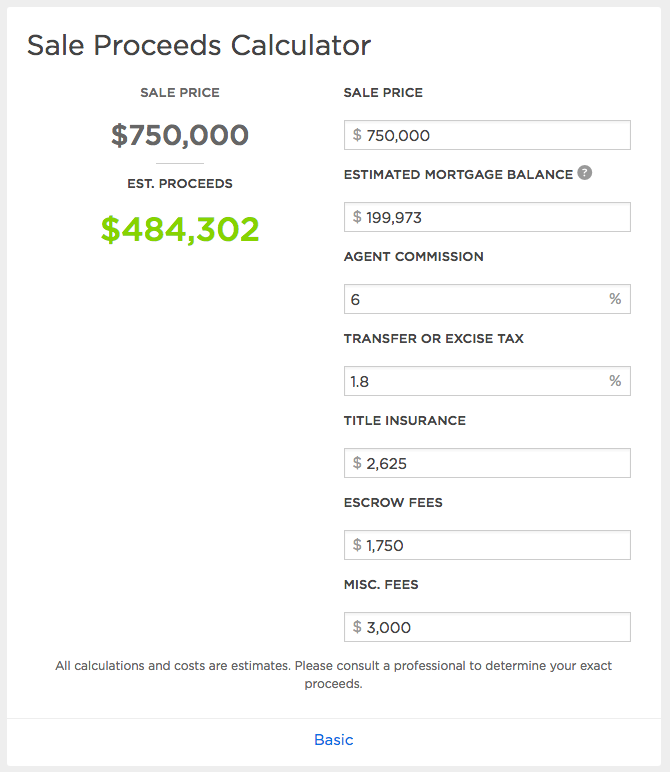
To estimate potential profit, sellers who have claimed their home on Zillow can use Zillow’s Sale Proceeds Calculator. It factors in the home’s sale price, mortgage balance and agent commissions, along with other common seller fees.

Curious how your metro stacks up for sellers? Here’s a breakdown of the metros analyzed in the report:

Looking for more information about selling your home? Check out our Sellers Guide.

Related:


from Zillow Porchlight https://www.zillow.com/blog/hidden-costs-of-selling-home-215952/